two prong to three prong outlet Enid: Safe Fixes, Costs, and Code
⏱️ 9 min read · Last updated: 2026
- Typical GFCI upgrade cost: about $120–$250 per outlet in 2026, including the device and common labor in most jobs.
- Per-outlet cost for a plain receptacle swap is often $75–$150, but that does not add grounding.
- Code labeling requirement: ungrounded three-prong outlets protected by a GFCI outlet must be marked “No Equipment Ground” and “GFCI Protected.”
- Grounding options usually come down to four paths: install a GFCI outlet, run a new equipment grounding conductor, replace the branch circuit, or rewire the circuit.
- NEC 2020 allows GFCI protection on ungrounded replacement receptacles when they are installed and labeled correctly.
The first time I tested a “fixed” three-prong outlet in an older house, the plug tester lit up like everything was fine. It was not fine. The neutral was present, the hot was present, and the ground pin was still fake, which is exactly why two prong to three prong outlet Enid work can fool people.
That is the trap in 2026: the outlet looks modern, but the wiring behind it may still have no grounding. I have seen a licensed electrician quote $140 for a GFCI upgrade and $380 for a proper grounding run in the same hallway, which is why the right answer depends on what you need the outlet to protect.
What actually changes everything
If the circuit has grounding, the cleanest fix is a real three-prong receptacle replacement. If the circuit does not have grounding, the safe code-compliant shortcut is usually a GFCI outlet with the right labels, not a fake ground.
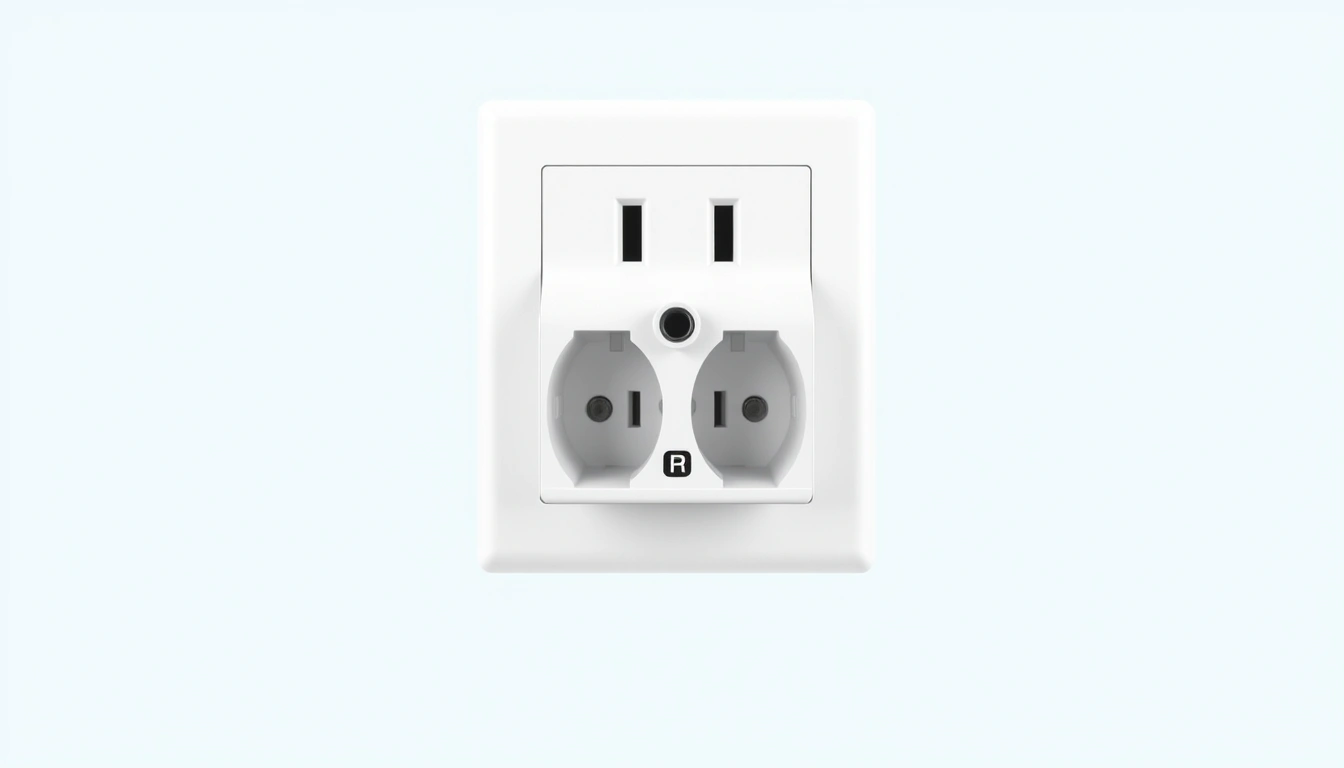
The difference matters because a three-prong faceplate is only useful when the equipment grounding path exists or the receptacle is GFCI-protected and clearly marked. Under NEC 2020, that labeling is not optional. The outlet must tell the next person that no equipment ground is present.
Here is the practical part most homeowners miss: a plug-in outlet tester can tell you if a receptacle is miswired, but it cannot prove a real grounding path behind a bad repair. I have seen testers report “correct” on a cheater plug setup that still offered no safe fault path.
A three-prong outlet without grounding is a cosmetic upgrade, not a safety upgrade.
If your home has older cloth wiring, mixed metal wiring, or a panel that still makes you nervous, the answer may move from a single receptacle fix to larger house rewiring Enid OK work. That is not overkill if several rooms are affected.
Quick check: If the receptacle tester says “open ground,” you do not have a true grounding fix yet, no matter how modern the outlet looks.

How do I safely upgrade two-prong outlets to three-prong in my Enid home?
The safe answer is to choose one of three paths: add a GFCI outlet, add real grounding, or rewire the branch circuit. If the outlet serves a lamp, charger, or TV stand, GFCI protection is often enough. If it serves a computer, surge protector, or appliance that really needs grounding, a true grounding upgrade is better.
Start by testing the circuit, not the outlet cover. Use a plug-in tester, a non-contact voltage tester, and if needed a multimeter. Then open the box only if you know how to shut off power at the breaker and verify the circuit is dead.
- Turn off the breaker and confirm the outlet is dead with a tester.
- Remove the receptacle and look for a bare copper or green equipment grounding conductor.
- If grounding exists, replace the two-prong device with a grounded three-prong receptacle.
- If grounding does not exist, install a GFCI outlet and label it “No Equipment Ground” and “GFCI Protected.”
- If the box is shallow, crowded, or brittle, replace the box before stuffing in a new device.
- Test the finished outlet with a receptacle analyzer and the built-in TEST button on the GFCI outlet.
Typical per-outlet cost in Enid for a GFCI outlet replacement is commonly $120–$250, while a plain receptacle swap often lands around $75–$150. A true grounding run or circuit rewrite can move into the hundreds per outlet, especially if walls need fishing or the panel needs updates.
For a deeper local cost comparison, see the related house rewiring cost breakdown and the broader house rewiring Enid OK options page.
Quick check: If you want outlets that can safely power modern electronics, ask whether you need GFCI protection, grounding, or both.
Is it legal to put a three-prong outlet on ungrounded wiring in Enid?
Yes, it can be legal if the outlet is GFCI-protected and labeled correctly. No, it is not legal to pretend the outlet is grounded when it is not. That false ground danger is the part that gets skipped in casual advice, and it is the part that can create shock risk and equipment problems.
The code-compliant path is straightforward. A GFCI outlet on ungrounded wiring may replace the receptacle, but the faceplate or outlet must show the required warnings. If a local inspector sees a three-prong outlet on two-wire cable with no labels, that is the kind of issue that can fail inspection.
Here is the workflow I trust on older homes:
- Confirm whether the branch circuit is two-wire or has a grounding conductor.
- If there is no ground, do not install a bootleg ground between neutral and ground.
- Install a GFCI outlet at the first receptacle on the circuit if that location is practical.
- Label downstream outlets that are protected by that GFCI outlet.
- Test the setup after installation with a receptacle tester and the TEST button.
The false ground shortcut sometimes looks “clever” because the tester shows a ground. It is not clever. It connects the neutral to the ground terminal, which can energize device cases and hide faults. That is exactly the cheater plug danger people underestimate.
If you want to see how this fits into city requirements, the permit side matters too. A simple swap may not need the same paperwork as a multi-room rewrite, but major changes usually should be checked against the rewiring permit inspection process before work starts.
Quick check: If the new three-prong outlet is not labeled and not GFCI-protected on ungrounded wiring, it is the wrong fix.
When the standard advice breaks
Standard advice breaks when the house is older, the circuit is shared, or the outlet feeds sensitive equipment. In those cases, the answer changes from “swap the receptacle” to “fix the circuit path.”
| Situation | Best Path | Why Other Options Fail |
|---|---|---|
| Two-wire circuit with no grounding | GFCI outlet with labels | A standard three-prong outlet only looks grounded |
| Several outlets in one room need upgrading | Grounding run or rewiring | Multiple GFCIs can get confusing and harder to troubleshoot |
| Computer, server, or surge strip use | True grounding upgrade | Some equipment expects a real equipment grounding conductor |
| Kitchen, bath, garage, or laundry area | GFCI protection, then verify code needs | These locations have higher shock risk and tighter rules |
| Old aluminum branch wiring | Evaluate replacement or approved repair method | Outlet swapping alone does not solve the conductor problem |
If the branch wiring is aluminum, the conversation changes fast. Outlet replacement is not the whole story, and the right next step may be full aluminum wiring replacement or a repair strategy approved for that wiring type. See the local aluminum wiring replacement page if that is what you are dealing with.
If the box is shallow, heat-damaged, or packed with backstabbed conductors, a simple receptacle swap can fail for a boring reason: there is no room for the new device and its pigtails. In that case, replace the box and re-terminate the circuit cleanly.
One outlet can be a swap. Four ugly outlets in the same circuit usually mean a wiring problem, not a device problem.
Quick check: If the same breaker feeds multiple dead, loose, or scorched receptacles, stop treating this like a single-outlet job.
What to ask before you pay
The right contractor question is not “Can you make it three-prong?” It is “What path are you using, and how will you prove it is safe?” That answer should include GFCI protection, grounding option, label placement, and whether the work changes permit needs.
Ask for the exact device model, not a generic promise. A quality GFCI outlet from Leviton, Eaton, or Pass & Seymour is a normal request. If the electrician recommends a whole-circuit fix, ask why before you approve extra work.
Use this short checklist:
- Will this outlet be truly grounded, or only GFCI-protected?
- Where will the “No Equipment Ground” label go?
- Will the first outlet on the circuit be the GFCI outlet?
- Are any boxes too shallow for the new device?
- Does this work need permit or inspection follow-up?
A reasonable local expectation in 2026 is that a licensed electrician can explain the difference between a grounded receptacle, a GFCI-protected receptacle, and a bootleg ground in under two minutes. If the explanation gets fuzzy, keep looking.
For permit and inspection questions, the city process matters more than most homeowners expect. A proper rewiring permit inspection helps keep a small fix from turning into a failed inspection later.
Quick check: If no one can tell you whether the circuit will be labeled, grounded, or GFCI-protected, do not sign yet.
How much does a safe upgrade usually cost in Enid?
A safe upgrade usually costs less than a full rewire and more than a cosmetic swap. In Enid, a GFCI outlet replacement commonly lands around $120–$250 per outlet, while a plain three-prong receptacle swap on a grounded circuit may be around $75–$150 per outlet.
The price climbs when the answer is not just the outlet. If you need new cable, new box work, or panel adjustments, the cost can jump quickly. That is where comparing house rewiring cost against a simple outlet job helps you avoid paying twice.
There is also a hidden cost to the wrong fix. A cheater plug or bootleg ground may cost almost nothing upfront, but it can mask a hazard until a device fails or a fault occurs. That is a bad trade in any year, and especially in 2026 with more electronics in the average home.
If you only need one or two outlets for lamps and chargers, a GFCI outlet is usually the economical route. If you need half the house converted, the economics start favoring a larger rewiring plan.
The cheapest safe fix is usually a GFCI outlet; the best long-term fix is often real grounding.
Quick check: If the quote jumps from one outlet to five because the wiring is old, compare that number against a partial rewire before you decide.
Common questions about two prong to three prong outlet Enid
What is the safe way to upgrade a two-prong outlet?
The safe way is to test the circuit first, then either install a grounded three-prong receptacle on an existing equipment grounding conductor or use a GFCI outlet with the required labels. A cheater plug or neutral-to-ground jumper is not a safe substitute.
How to convert two-prong to three-prong outlets step by step?
Turn off power, confirm the outlet is dead, inspect for a grounding conductor, and then choose either a grounded receptacle or a GFCI outlet. After installation, label ungrounded GFCI-protected outlets “No Equipment Ground” and test the result with a plug-in analyzer.
GFCI vs full rewire — which for ungrounded outlets?
If you need a safe, code-compliant receptacle for lights, chargers, or general use, a GFCI outlet is usually the fast fix. If several rooms are affected, or you need actual outlet grounding for sensitive electronics, a full rewire or grounding run is the better long-term choice.
Why is a false ground dangerous and how to fix it?
A false ground usually ties neutral to the ground terminal, which can hide a fault and energize parts that should stay safe. The fix is to remove the jumper, restore correct terminations, and use a GFCI outlet or true grounding instead.
How much does it cost to upgrade outlets in Enid?
A typical GFCI outlet upgrade in Enid often runs about $120–$250 per outlet in 2026, while a grounded receptacle swap on existing grounding is often $75–$150. Costs rise if the box, cable, or breaker work also needs to change.
Do I need a permit for a few outlet replacements?
Small like-for-like replacements may not trigger the same process as larger wiring changes, but anything that adds new circuits, rewires multiple rooms, or changes panel work should be checked against local permit and inspection rules before work starts.
- A three-prong outlet is only safe when grounding exists or the receptacle is GFCI-protected and labeled.
- Cheater plugs and bootleg grounds create false confidence, not outlet grounding.
- In 2026, typical GFCI upgrade cost in Enid is about $120–$250 per outlet.
- If multiple rooms need help, compare the price of patchwork fixes against house rewiring Enid OK work.
The bottom line
For most two prong to three prong outlet Enid jobs, the right move is not the fastest-looking one. It is the fix that matches the wiring you actually have: GFCI protection with labels for ungrounded circuits, real grounding where possible, and rewiring when the circuit is too far gone.
Pick one thing from this article and try it this week: test one outlet, open one cover plate, or ask for one written quote that separates GFCI protection from grounding. Then compare that plan to the bigger-picture House Rewiring & Aluminum Wiring in Enid, OK: Cost, Safety & Process path before you spend money twice.
See also: house rewiring Enid OK
See also: house rewiring cost Enid OK
See also: rewiring permit inspection Enid OK