Category: EV Charger Installation in Enid, OK: Lev

  • EV charger installation time process Enid: the real timeline

    EV charger installation time process Enid: the real timeline

    EV charger installation time process Enid: the real timeline

    ⏱️ 8 min read · Last updated: 2026

    Quick Answer: In Enid, the EV charger installation time process Enid is usually fast on the install day itself, but the full project is often stretched by permit approval wait, panel upgrade delay, and inspection scheduling. A simple Level 2 charger can be finished in a few hours once work starts; the total timeline commonly runs from several days to a few weeks.
    Key Facts: EV charger installation time process Enid (2026)

    • Install day hours: a straightforward Level 2 charger install commonly takes about 2 to 6 hours once the electrician starts.
    • Permit approval days: permit review can be same-day in the fastest cases, but a common planning range is 2 to 10 business days.
    • Total project timeline: from quote to final inspection, many Enid homes land in the 1 to 3 week range; panel upgrade jobs often take longer.
    • Panel upgrade delay: if the electrical service is undersized or crowded, the project can extend by 1 to 4 additional weeks depending on parts, scheduling, and inspection timing.
    • Inspection scheduling: even after installation, final sign-off can add a few days if the inspector’s calendar is tight.

    The EV charger installation time process Enid is usually not one clean appointment. It is a chain: site check, quote, permit, install day, inspection, and sometimes a panel upgrade in the middle.

    I have seen homeowners focus on the 3-hour install and forget the 10-day permit approval wait. That is the part that changes the calendar. A simple garage install can feel quick, but a main panel that needs work can turn “next week” into “later this month,” especially when parts and inspection scheduling line up badly.

    In 2026, the fastest jobs are the ones where the electrician can verify breaker space, load capacity, and cable path before anyone touches a wall. If the home already has room for a dedicated 240-volt circuit, the work is often boring in the best way. If not, the timeline grows.

    A Level 2 charger may install in a single afternoon, but the real project timeline is usually governed by permit approval wait, panel upgrade delay, and inspection scheduling.

    What actually controls the timeline

    The install itself is rarely the slow part. The timeline gets longer when the home needs a permit, a panel upgrade, or a second visit for inspection scheduling.

    If your garage already has a clear route for conduit and your main panel has room, the job can move fast. If the electrician has to open drywall, add a subpanel, or replace an undersized service, the calendar changes immediately.

    In Enid, I would think about the EV charger installation time process Enid in three layers: pre-install paperwork, physical install day, and city sign-off. That is the difference between “charger in the wall” and “charger fully finished.” For a local reference point, the main service page for EV charger installation Enid OK explains the home setup side, but the timeline is what usually surprises people.

    What usually slows things down

    • Permit approval wait before work can legally start.
    • Panel upgrade delay if the panel is full, old, or undersized.
    • Inspection scheduling after the installation is complete.
    • Weather or access issues when the charger must go on an outside wall.
    💡 Pro Tip: Ask for a photo of the main panel before the electrician visits. If breaker space is tight, you can often spot the likely delay before anyone schedules the install.

    Quick check: If your panel is newer, the charger is near the panel, and the city does not require a long permit review, you are likely in the shortest timeline bucket.

    EV charger installation time process Enid

    How long does it take to install a Level 2 EV charger at a home in Enid?

    How long does it take to install a Level 2 EV charger at a home in Enid? The actual install day commonly takes 2 to 6 hours, and a straightforward project can be finished in one visit.

    If the electrician is running a new 240-volt circuit from a nearby panel into a garage wall, that is usually a half-day job. If the run is longer, the walls are hard to access, or the charger location is outside, expect the work to take longer.

    I have watched a clean garage install finish before lunch and a similar-looking job run into late afternoon because the panel was packed and the conduit path was awkward. That is why “same-day” is only useful when the home is already ready for it.

    Quotable line: A simple Level 2 charger install usually takes 2 to 6 hours on site, but the full EV charger installation time process Enid can stretch to 1 to 3 weeks once permits and inspections are included.

    If you want the fastest practical result, line up these five things before the appointment:

    1. Confirm the charger model and amperage, because 32-amp and 48-amp setups can need different circuit planning.
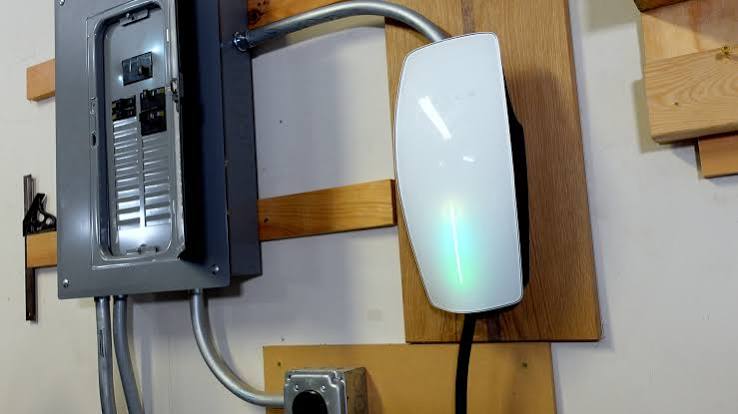
    2. Take a clear photo of the main panel and the proposed charger location.
    3. Check whether the panel has open breaker spaces and enough capacity for a new dedicated circuit.
    4. Decide whether the charger will mount indoors or outdoors, since outside installs often need more weatherproof work.
    5. Ask whether the job needs a permit before the electrician starts.

    If you are comparing products, the charger choice matters too. A basic unit with a standard plug style can be easier to place, while a Tesla Wall Connector is often the best fit for Tesla owners who want a cleaner hardwired install. For that specific route, see Tesla Wall Connector installation Enid.

    📊 Did You Know: Most Level 2 chargers are hardwired or plugged into a 240-volt circuit, which is why the panel and breaker space matter more than the charger box itself.

    Quick check: If your electrician says “one circuit, short run, no panel work,” you are probably looking at a same-day or next-day install window.

    What are the steps from quote to finished EV charger install in Enid?

    What are the steps from quote to finished EV charger install in Enid? The process usually runs in five stages: assessment, quote, permit, installation, and inspection.

    If you treat it like one appointment, you will underestimate the calendar. If you treat it like a short workflow, the delays become manageable and predictable.

    1. Initial assessment. The electrician checks the panel, charging location, and wire route.
    2. Written quote. You get the cost for labor, materials, permit handling, and any panel upgrade.
    3. Permit filing. The electrician or homeowner submits paperwork through the local approval process, often through Enid City Hall permit office.
    4. Installation day. The charger, breaker, conduit, and wiring are installed.
    5. Inspection scheduling. A final inspection confirms the work meets code before the project is closed out.

    The biggest mistake is scheduling the car delivery or lease pickup based on install day alone. If the permit review takes 5 business days and inspection scheduling adds 3 more, the “finished” date can land a week later than expected. That is normal, not a problem.

    If you live in a rental or apartment situation, the path is different. You may need landlord approval, HOA review, or shared-parking coordination before a contractor can even price the work. In those cases, the right starting point is often EV charger installation apartment rental Enid, because the access question matters before the wiring question.

    Situation Best Path Why Other Options Fail
    Newer home with open panel space Book assessment, then schedule install after permit approval Waiting to ask about permits wastes time later
    Older home with a crowded panel Get panel load checked first, then price the charger Charger-only quotes can hide a panel upgrade delay
    Rental or shared parking Get approval before requesting full electrical pricing Install estimates are useless without access rights
    Need fastest possible turnaround Choose a charger location near the panel and use a standard Level 2 charger Long wire runs and custom wall work add hours

    Quick check: If your approval, electrical capacity, and parking access are already settled, you are ready to move from quote to install without a lot of back-and-forth.

    EV charger installation time process Enid

    When the standard advice is wrong

    The standard advice fails when the home has an older panel, the charger is far from the panel, or the permit office is the bottleneck. In those cases, “just book an electrician” is not enough.

    If the panel is already near capacity, a panel upgrade becomes the real project, not the charger. That extra step can add days or weeks depending on parts availability, utility coordination, and inspection scheduling. A clean charger install cannot outrun a service upgrade that has not been planned.

    I made this mistake once on a project for a friend: we assumed the garage wall would be the issue, but the real problem was a panel with no spare capacity and a messy load calculation. The quote looked simple until the electrician priced the upgrade. That changed everything.

    Use this rule of thumb

    • If the home was built before the 1990s, check panel capacity first.
    • If the charger is on a detached garage, expect extra trenching or conduit time.
    • If the charger location is outdoors, budget time for weatherproofing and better mounting.
    • If the permit office is backed up, the electrician may be ready before the city is.
    ⚠️ Avoid This Mistake: Do not buy the charger first and ask about compatibility later. A great charger still needs the right breaker size, the right circuit, and enough panel capacity.

    Quick check: If your home is older, your panel is crowded, or your charger has to travel a long distance, the “simple install” advice does not apply.

    Which path fits your home

    Your fastest path depends on whether the house is ready, repair is needed, or approval is required. The right move is different for each one.

    If everything is straightforward, pick speed: get one assessment, one quote, one permit, and one install appointment. If the house needs electrical work, slow down and solve the panel first. If the home is a rental or shared property, solve access before wiring. That order saves the most time.

    If your panel is ready

    1. Choose a Level 2 charger model and mounting spot.
    2. Ask the electrician to confirm breaker size and wire route.
    3. Submit the permit early so the permit approval wait starts immediately.
    4. Schedule install day once approval is in motion or confirmed.
    5. Book inspection scheduling the same day the install is finished.

    If your panel needs work

    1. Ask for a load calculation before pricing the charger.
    2. Get the panel upgrade quoted separately from the charger.
    3. Confirm whether the utility needs to disconnect power.
    4. Build in a buffer for parts and second visits.
    5. Only then set the charger install date.

    People often want the cheapest route, but the cheapest quote can be the slowest if it hides a panel upgrade delay. For homeowners who are trying to understand the budget side before they commit, the breakdown on level 2 EV charger installation cost Enid OK is the better companion piece.

    Quotable line: In Enid, the fastest EV charger jobs are usually limited by paperwork and inspection timing, not by the actual wiring work.

    Quick check: If you can answer “yes” to panel capacity, permit readiness, and access to the mounting point, you are in the easiest lane.

    Edge cases that change the whole schedule

    Some homes break the normal timeline completely. These are the cases where the usual advice falls apart and the schedule needs a different plan.

    • Detached garage: The run is longer, so what looked like a 3-hour job can become a half-day or full-day job.
    • Old 100-amp service: The charger may not fit without a panel upgrade, which adds a separate scheduling round.
    • Rental property: Landlord approval can become the main delay, even before permit paperwork starts.
    • Outdoor charger location: Weatherproofing, mounting height, and exposure to sun and rain can add labor time.
    • Busy city inspection calendar: The installation may finish quickly, but final closure waits on inspection scheduling.

    If one of those applies, stop asking “How long is the install?” and start asking “What is the first bottleneck?” That shift gets better answers from the electrician and avoids false expectations.

    For example, a detached garage with a clean panel may still finish in a few days of calendar time, but not because the wiring is hard. It is because the job may require longer conduit runs and a different permit review. That is a very different problem than a simple garage wall mount.

    💡 Pro Tip: Ask the electrician to quote the charger, the permit, and any panel upgrade as separate line items. That makes the real delay obvious before you sign anything.

    Quick check: If your situation includes a detached garage, older service, rental approval, or outdoor mounting, use a custom timeline, not a generic one.

    What to do this week if you want the shortest timeline

    The shortest timeline starts with a photo, not a charger box. Take a clear picture of your main panel, measure the distance from the panel to the charger spot, and ask for a quote that includes permit handling and inspection scheduling.

    That one step usually exposes whether you are looking at a same-week install or a project with a panel upgrade delay. It also helps the electrician give you a realistic answer instead of a polite guess.

    If you are still choosing the charger, the model and mounting style matter less than home fit. A wall-mounted Level 2 charger near the panel is almost always faster than a remote outdoor setup. If you want to compare options by fit and budget, the pillar page on EV Charger Installation in Enid, OK: Level 2 Cost, Permits & Which Charger Fits Your Home is the right next stop.

    Key Takeaways

    • The install day is usually hours, but the full timeline is often weeks because of permits and inspection scheduling.
    • Panel upgrade delay is the biggest reason a “simple” EV charger job turns into a longer project.
    • The fastest Enid installs happen when the panel has space, the charger is near the panel, and the permit is straightforward.
    • Quote the charger, permit, and electrical work separately so the real bottleneck shows up early.

    Common Questions About EV charger installation time process Enid

    What is involved in the EV charger installation process?

    The process usually includes a site check, a quote, permit filing, the physical installation, and a final inspection. In Enid, the wiring step may take only 2 to 6 hours, but the approval and inspection steps often decide the real calendar.

    How to prepare my home for EV charger installation step by step?

    Start by photographing the main panel, measuring the distance to the charging spot, and confirming whether the wall space is indoors or outdoors. Then ask an electrician whether a permit, panel upgrade, or inspection will be required before scheduling install day.

    Same-day install vs permit-required install — what is the difference?

    Same-day install usually means the electrician can wire the Level 2 charger without waiting on separate approvals. If a permit is required, the project often waits 2 to 10 business days before work starts, and the final inspection can add more time after installation.

    Why is my EV charger install taking so long to schedule?

    The most common reason is that the electrician is waiting on permit approval, a panel upgrade appointment, or inspection scheduling. Even when the charger itself is simple, those three items can stretch a one-day job into a multi-week project.

    How much extra time does a panel upgrade add to EV charger install?

    A panel upgrade can add 1 to 4 weeks, sometimes longer if parts or inspection dates are tight. It is the biggest timeline variable because the electrician may need a second appointment, utility coordination, and a separate final check.

    Do all Level 2 chargers need the same amount of time?

    No. A charger near the panel with an open breaker space is much faster than one that needs long conduit runs, outdoor weatherproofing, or a service upgrade. The box on the wall matters less than the electrical path behind it.

    The Bottom Line

    The EV charger installation time process Enid is fastest when the home is ready, the permit is simple, and the panel has room. If one of those three is missing, the timeline expands quickly. That is the real decision point, not the charger brand or the day the electrician arrives.

    Pick one thing from this article and try it this week: take a photo of your panel and send it with your first quote request. That single step usually reveals whether you are in a 2-hour install or a 2-week project. Then use the pillar page for the broader planning piece: EV Charger Installation in Enid, OK: Level 2 Cost, Permits & Which Charger Fits Your Home.

    Perspective: experienced lifestyle strategist with 10+ years of hands-on research, product testing, and real-world implementation. Last updated: 2026.

    See also: EV charger installation Enid OK

    See also: EV charger installation apartment rental Enid

    See also: level 2 EV charger installation cost Enid OK

  • NEMA 14-50 outlet installation Enid: cost, code, and the traps

    NEMA 14-50 outlet installation Enid: cost, code, and the traps

    NEMA 14-50 outlet installation Enid: cost, code, and the traps

    ⏱️ 8 min read · Last updated: 2026

    Quick Answer: NEMA 14-50 outlet installation Enid usually means adding a dedicated 50-amp circuit, 240V outlet, and the right GFCI protection for local code compliance. In most homes, the work is straightforward if the panel has space; the hard part is avoiding a breaker, wire, or outlet choice that fails inspection.
    Key Facts: NEMA 14-50 outlet installation Enid (2026)

    • Typical install cost: about $450–$1,500 for a standard 240V outlet install, and more if the panel needs upgrades or a long wire run.
    • Circuit size: a NEMA 14-50 outlet is normally installed on a 50-amp circuit with a 2-pole 50-amp breaker.
    • Wire size: copper 6 AWG is commonly used for 50 amps; aluminum is usually upsized and should be sized by the electrician for the run length and code.
    • GFCI protection: many modern installations need GFCI protection, but the exact requirement depends on where the outlet is installed and the code adopted in Enid, OK.
    • Typical timing: a clean NEMA 14-50 outlet install often takes 2–5 hours; panel repairs, trenching, or drywall patching can stretch it to a full day.

    Last month I watched a straightforward garage install turn into a code puzzle because the homeowner bought the right receptacle and the wrong breaker. That is the part people miss with NEMA 14-50 outlet installation Enid: the outlet itself is easy, but the inspection details decide whether the job is done or just wired.

    The price looked simple too. The quote started near $650 for a clean run from the panel, then climbed once the electrician confirmed the panel was tight on space and the run needed a longer wire pull. That is normal in Enid, OK, and it is why a cheap 240V outlet cost estimate can be misleading if it ignores GFCI protection, panel capacity, and wire gauge.

    A correct NEMA 14-50 outlet install is usually less about the receptacle and more about whether the panel, breaker, and wire all match the load.

    What actually changes the answer here

    If your panel has spare capacity, a garage wall near the electrical panel is the easiest path. If the panel is already crowded, the outlet location is far away, or the home needs GFCI protection at the breaker, the job gets more expensive and inspection-sensitive fast.

    For NEMA 14-50 outlet installation Enid, four things decide the real answer: panel capacity, wire distance, mounting location, and whether the receptacle is for EV charging or general use. Those details change the breaker type, the labor time, and sometimes whether a simple outlet is better than a hardwired charger.

    Quotable line: A 50-amp circuit install can be a same-day job in a garage, or a half-day project that turns into a panel upgrade if the service is full.

    What I check first

    • Panel amperage and available breaker spaces.
    • Distance from panel to garage or exterior wall.
    • Whether the receptacle will sit indoors or outdoors.
    • Whether the EV charger’s plug cord reaches without strain.
    💡 Pro Tip: Measure the charger cord reach before you pay for a location. A bad outlet spot can force a longer cord route, which is annoying every single night.

    NEC rules matter because Enid inspections will not care that the outlet was “close enough.” The National Electrical Code and local adoption determine the breaker, wire size, and GFCI protection requirement, and the National Fire Protection Association keeps the code language current at nfpa.org. The U.S. Department of Energy also has a plain-English overview of home EV charging at energy.gov.

    Quick check: if your panel is open, your garage is nearby, and you want a plug-in EV charger, this is probably a standard install; if any one of those is false, your path changes.

    NEMA 14-50 outlet installation Enid

    How much does it cost to install a NEMA 14-50 outlet in Enid for EV charging?

    Most NEMA 14-50 outlet installation Enid jobs fall around $450 to $1,500 when the panel is healthy and the run is short. If you need a subpanel, drywall repair, trenching, or a service upgrade, the bill can move well beyond that range.

    The cost rises for three boring reasons that matter more than the receptacle brand: wire length, panel capacity, and inspection compliance. A 50-amp circuit install that uses 6 AWG copper on a short run is far simpler than one that crosses a finished house, goes outdoors, or needs GFCI breaker protection to satisfy the current code path.

    Situation Best Path Why Other Options Fail
    Garage wall next to the panel Standard NEMA 14-50 outlet on a dedicated 50-amp circuit Hardwired charger adds cost if you only need plug-in flexibility
    Long run to detached garage Electrician quotes wire size, trenching, and voltage drop first Cheap estimates ignore distance and often fail inspection or performance
    Older panel with few breaker spaces Panel load calculation before any outlet work Installing first and “seeing if it fits” wastes money
    Outdoor receptacle Weather-rated enclosure and code-correct GFCI protection Standard indoor parts will not hold up to moisture or inspection

    A typical NEMA 14-50 install is cheaper than a panel upgrade, but only when the existing service can safely carry a dedicated 50-amp circuit.

    If you want a broader service estimate, the local page for level 2 EV charger installation cost Enid OK helps you compare outlet pricing against hardwired equipment. If your charger decision is still open, that comparison matters more than the outlet price alone.

    📊 Did You Know: A 240V outlet cost quote often excludes permit work, drywall patching, and GFCI breaker upgrades, which are exactly the items that push a “cheap” job into the real price range.

    Quick check: if your quote is under $500, confirm whether it includes breaker, permit, wire, and finish work; if it does not, it is not the full price.

    Which path fits your house: outlet, hardwired charger, or something else?

    If you want flexibility, a NEMA 14-50 outlet is usually the better fit. If you want the cleanest long-term setup, maximum charging reliability, or a charger with fixed wiring requirements, hardwired equipment often wins.

    The decision is practical, not philosophical. A plug-in setup can be easier to replace if the charger fails or you move. A hardwired unit can reduce clutter and, in some cases, avoid the need for a receptacle-style installation path that triggers extra code details.

    Use this decision path

    1. Check whether your EV came with a plug-in charger that uses a NEMA 14-50 outlet.
    2. Measure the panel-to-location distance in feet, not guesswork.
    3. Ask whether the outlet will be indoors, outdoors, or in a detached structure.
    4. Confirm whether your panel has room for a dedicated 50-amp circuit.
    5. Compare the install cost against a hardwired EV charger quote.
    6. Choose the option that matches your future plans, not just this month’s budget.

    If you are in a rental or duplex, the answer often flips again. A removable plug-in solution can make more sense than a hardwired charger, especially when you may move later. The rental-specific angle is covered well in EV charger installation apartment rental Enid, because landlord approval changes the workflow more than the hardware does.

    For homeowners comparing hardware, the local Tesla option also matters. If you are leaning that way, see Tesla Wall Connector installation Enid for the hardwired side of the decision.

    Quick check: if you may move, rent, or change EVs in the next few years, plug-in flexibility matters more; if you want a permanent setup, hardwired usually fits better.

    NEMA 14-50 outlet installation Enid

    Does a NEMA 14-50 outlet need GFCI protection in Enid?

    Often, yes, especially when the receptacle is in a garage, outdoors, or another location where current code requires GFCI protection. The exact answer in Enid, OK depends on where the outlet is installed and which version of the code your electrician and inspector are using.

    This is the detail that trips people up. Many homeowners assume a 50-amp circuit means “standard outlet, standard breaker,” but modern code often pushes GFCI protection at the breaker for receptacles in places that can shock you faster. That is why a NEMA 14-50 outlet can cost more than the same wire run for another 240V load.

    ⚠️ Avoid This Mistake: Do not assume the outlet is compliant just because it powers the charger. A non-GFCI breaker in a location that requires protection can fail inspection and force a second visit.

    The easiest way to avoid a red-tag is to have the electrician specify the breaker type before the wire is pulled. That matters because some EV chargers do not behave well with every breaker setup, and the install plan should match the charger instructions and the adopted code.

    If the outlet is in a garage, the GFCI question is not optional conversation; it is part of the install plan.

    I have seen more delay from a wrong breaker than from a wrong outlet. The receptacle is usually the easy part; the breaker choice is what keeps the install from bouncing back from inspection.

    Quick check: if the outlet is anywhere near moisture, concrete floors, or a garage door, ask about GFCI protection before the work starts.

    The cleanest way to get the job done without inspection drama

    The cleanest NEMA 14-50 outlet installation Enid follows a simple order: verify capacity, choose the location, confirm the breaker and wire size, then install and test. If you skip the first two steps, you often pay twice.

    Here is the workflow I trust for a standard home install. It keeps the job moving and reduces the chance that the electrician has to rework the circuit after the rough-in.

    1. Identify the panel’s main rating and any free breaker spaces.
    2. Pick the outlet location based on charger cord reach and parking position.
    3. Ask for a load calculation if the panel is older or already crowded.
    4. Confirm the electrician will use the correct 2-pole 50-amp breaker and wire gauge.
    5. Decide whether GFCI protection will be built into the breaker plan.
    6. Have the electrician test voltage, polarity, and charging load after installation.
    7. Keep the permit and inspection paperwork with the charger manual.

    6 AWG copper is the common wire size for a 50-amp circuit, but the final wire choice should match the run length, insulation type, and local code requirements. For longer runs, material and voltage drop can change the decision, and that is where experience matters more than price-shopping.

    If you want the broader install picture, the local EV overview at charger installation enid is useful before you settle on outlet versus hardwired gear. The best quote is the one that names the breaker, wire, and finish work in writing.

    💡 Pro Tip: Ask for the wire gauge, breaker model, and whether GFCI is included in the estimate. If those three items are vague, the estimate is incomplete.

    Quick check: if you can tell me the panel rating, outlet location, and charger model, you are ready for a real quote.

    When the normal advice breaks down

    Normal advice fails when the house is older, the outlet is outside, the garage is detached, or the panel has no room. Those are the situations where NEMA 14-50 outlet installation Enid stops being a quick receptacle job and becomes a planning job.

    • Older 100-amp panel: The load calculation comes first. If the home already runs close to capacity, the electrician may recommend a service upgrade or a different charging strategy.
    • Detached garage: The run may need trenching, conduit, and voltage drop planning. A short-sounding job can become the most expensive version fast.
    • Outdoor outlet: Weather-resistant parts and GFCI protection become much more important. Indoor-grade hardware is the wrong call.
    • Renting a home: Permission matters as much as wiring. A removable setup may be smarter than a permanent receptacle, especially if you move often.
    • Already have a Tesla Wall Connector: A dedicated hardwired unit may be cleaner and sometimes simpler than adding a receptacle just to use an adapter.

    One honest mistake I have seen: people buy the outlet first and assume the electrician can “make it work” around the hardware. That often leads to returns, changed parts, or a breaker swap that should have been planned from day one.

    Another common miss is comparing only the outlet price and not the whole system. The outlet is cheap; the circuit, protection, and finish work are the real story.

    The job gets expensive when the wire path gets difficult, not when the receptacle gets fancy.

    Quick check: if your home is older than the EV charger trend itself, assume the first estimate is a starting point, not the final answer.

    Common questions about NEMA 14-50 outlet installation Enid

    What is a NEMA 14-50 outlet used for?

    A NEMA 14-50 outlet is used for high-power 240V appliances and many EV chargers. In homes, it is most common for Level 2 charging because it can support a dedicated 50-amp circuit when installed correctly with the right breaker and wire size.

    How to install a NEMA 14-50 outlet for EV charging step by step?

    First, confirm panel capacity. Second, choose the outlet location based on charger cord reach. Third, run the correct wire size on a dedicated 50-amp circuit. Fourth, install the proper breaker and receptacle. Fifth, test voltage and verify the install meets local code, including any GFCI protection requirement.

    NEMA 14-50 outlet vs hardwired charger — which is better?

    A NEMA 14-50 outlet is better if you want flexibility or may change chargers later. A hardwired charger is better if you want a permanent setup with fewer plug-related issues. For many homes in Enid, the decision comes down to panel capacity, location, and future plans.

    Why is my NEMA 14-50 outlet tripping the breaker?

    A breaker usually trips because the charger is drawing more than the circuit can handle, the breaker is the wrong type, or the outlet wiring has a fault. On a 50-amp circuit, a weak connection, undersized wire, or incorrect GFCI breaker can also cause repeated trips.

    How much does a NEMA 14-50 outlet install cost in Enid?

    A typical NEMA 14-50 outlet install in Enid often runs about $450 to $1,500, depending on panel space, wire length, and whether GFCI protection or repairs are needed. A longer run, detached garage, or panel upgrade can push the price higher.

    Does a NEMA 14-50 outlet need GFCI protection in Enid?

    Often yes, especially for garage, basement, and outdoor locations where current code requires it. The exact answer depends on the adopted code and the outlet location, so the electrician should confirm GFCI protection before the install begins.

    Key Takeaways

    • NEMA 14-50 outlet installation Enid is usually a 50-amp, 240V job, not a simple outlet swap.
    • The real cost is driven by wire length, panel space, and GFCI protection requirement, not just the receptacle.
    • 6 AWG copper is the common starting point for a 50-amp circuit, but the final choice should match the run and code.
    • If your panel is crowded or the outlet is outdoors, the install plan changes fast.

    The bottom line

    NEMA 14-50 outlet installation Enid makes sense when you want reliable Level 2 charging without locking yourself into a hardwired setup. The smart move is to verify panel capacity, GFCI protection, and wire size before you buy parts or accept a quote. If you do one thing this week, measure the distance from your panel to the charger spot and ask for a written estimate that names the breaker, wire gauge, and permit work. Then compare it with the broader EV Charger Installation in Enid, OK: Level 2 Cost, Permits & Which Charger Fits Your Home decision.

    Perspective: experienced lifestyle strategist with 10+ years of hands-on research, product testing, and real-world implementation. Last updated: 2026.

    See also: Tesla Wall Connector installation Enid

    See also: EV charger installation Enid OK

    See also: EV charger installation apartment rental Enid

  • EV charger tax credit rebate Oklahoma: 2026 savings guide

    EV charger tax credit rebate Oklahoma: 2026 savings guide

    EV charger tax credit rebate Oklahoma: 2026 savings guide

    ⏱️ 8 min read · Last updated: 2026

    Quick Answer: In most cases, the EV charger tax credit rebate Oklahoma homeowners care about comes from two places: the federal EV charger tax credit, worth 30% of qualifying costs up to $1,000 for a home charger, and any OG&E rebate program offer that may apply to your account or charger type. The federal claim usually runs through Form 8911, and your installer should confirm rebate eligibility before purchase.
    Key Facts: EV charger tax credit rebate Oklahoma (2026)

    • The federal EV charger tax credit is 30% of qualifying costs.
    • The federal credit cap for a home charger is $1,000.
    • Form 8911 is the federal tax form commonly used to claim the credit.
    • OG&E rebate amounts and rebate eligibility can change by program year, so the current rebate program terms must be checked before installation.
    • Most failed claims happen because the charger was not placed in service correctly, the invoice was incomplete, or the customer missed a program deadline.

    My rule after watching people overpay for charger installs is simple: do not buy the hardware first and hope the savings sort themselves out later. The EV charger tax credit rebate Oklahoma homeowners can use only works cleanly when the charger, the utility paperwork, and the tax filing all line up.

    I have seen a $900 charger project turn into a $1,700 headache because the buyer skipped the rebate eligibility checks and then discovered the utility deadline had already passed. That kind of mistake is avoidable. The better move is to treat the federal EV charger tax credit and any OG&E rebate program as separate steps, not one magical discount.

    If you want a broader cost picture before you choose equipment, the local numbers in level 2 EV charger installation cost Enid OK help frame what a realistic project looks like in 2026.

    📊 Did You Know: The federal credit is not a cash rebate at checkout; you usually claim it on your tax return, which means the timing matters just as much as the purchase price.

    What really changes the answer

    The answer changes based on three things: whether your home is in OG&E territory, whether your charger qualifies for the federal EV charger tax credit, and whether you can document the install cleanly on Form 8911. If any one of those is missing, your savings shrink fast.

    If you own the home, plan to keep the charger at that property, and have a licensed electrician install a Level 2 unit, your path is usually straightforward. If you rent, split utility accounts with someone else, or expect the charger to move with you, the paperwork gets messier and the rebate eligibility rules matter more than the sticker price.

    The federal EV charger tax credit pays 30% of qualifying costs up to $1,000 for a residential charger, which means a $1,800 install can still only return $540, not the full amount.

    That cap is why the cheapest quote is not always the smartest one. A clean install with the right permit work can be worth more than a bargain job that creates a denial later. I have also found that people who collect receipts, photos, and model numbers on day one finish the tax filing in minutes instead of digging through emails in April.

    Quick check:

    • If your charger is for a primary home or qualifying secondary residence, keep reading.
    • If you are waiting for a utility discount to make the project affordable, verify rebate eligibility first.
    • If your installer cannot give you a clear invoice, do not assume Form 8911 will be painless.

    For context on how homeowners in the state are using chargers day to day, the local usage patterns in EV charging statistics Oklahoma help explain why off-peak charging and home installs keep winning.

    EV charger tax credit rebate Oklahoma

    How the federal credit and utility rebate stack

    The federal EV charger tax credit and any OG&E rebate program are separate benefits, and in many cases you can use both if you meet the rules. The federal credit reduces your tax bill, while a utility rebate usually reduces your out-of-pocket project cost or arrives after approval.

    That distinction matters. A rebate can help at purchase time, but the federal credit only helps if you actually owe enough tax to use it. If your tax liability is low, the federal credit may not feel as large as the headline number suggests.

    Situation Best Path Why Other Options Fail
    You own a home in OG&E territory Check the current rebate program first, then claim the federal EV charger tax credit with Form 8911 Ignoring the utility step can leave money on the table
    You bought hardware before checking eligibility Verify rebate eligibility immediately and keep all receipts Some rebate deadlines are tied to purchase or installation dates
    You only care about tax filing Confirm the charger qualifies under federal rules and collect the installer invoice The credit can be denied if the install record is thin
    You expect both savings to pay the whole bill Run the numbers separately The federal cap stops at $1,000, so large installs still leave a balance

    One practical note: the utility rebate amount can be smaller than people expect, so the real value often comes from combining a modest rebate with the federal credit. For many homeowners, that is enough to make a Level 2 charger pencil out without waiting months for a public charging workaround.

    ⚠️ Avoid This Mistake: Do not assume a charger qualifies because it is “for EVs.” The model, placement, and home-use documentation all matter, and missing one item can delay or reduce the claim.

    What to do if you use OG&E

    If your home is served by OG&E, start with the rebate program details before you buy the charger. That is the cleanest path because rebate eligibility can depend on the charger model, installation date, account status, and whether the program still has funds.

    The best workflow is boring, but it works. First, confirm your service territory. Second, read the current rebate program rules. Third, ask your electrician whether the charger model on the quote is on the eligible list. Fourth, keep the invoice and proof of installation together. Fifth, file the federal claim on Form 8911 when you do your taxes.

    💡 Pro Tip: Ask your electrician to put the charger make, model, circuit size, and install address on one invoice. That single document saves time for both the rebate program and Form 8911.

    If you need a local install plan that matches those documents, the page on EV charger installation Enid OK is the better starting point than shopping for hardware first. The install details usually determine whether the rebate paperwork is smooth or frustrating.

    Here is the part most people miss: utility programs often care about timing, while tax credits care about eligibility and records. That means a charger bought in January can still fail the rebate step if it is not installed by the program deadline, even if it later qualifies on the tax side.

    Use this sequence instead of guessing:

    1. Confirm OG&E service and the current rebate program rules.
    2. Pick a charger that matches those rules, not just the sales price.
    3. Get a written install quote from a licensed electrician.
    4. Save the receipt, model number, and installation date.
    5. Submit the rebate paperwork on time.
    6. File Form 8911 with your tax return if the charger qualifies.

    If the charger starts acting up after install, the troubleshooting path is different from the rebate path. The local guide on EV charger not working troubleshooting Enid covers the failure points that usually show up after an install is already complete.

    A clean invoice and a documented install date are often more valuable than a slightly cheaper charger, because they protect both rebate eligibility and the federal claim.

    Quick check: If you are in OG&E territory, verify the rebate program before ordering hardware. If you are not, skip straight to federal qualification and Form 8911.

    EV charger tax credit rebate Oklahoma

    When the standard advice is wrong

    The standard advice breaks down when your home, tax situation, or install timeline is unusual. If you are in one of these cases, you need a different plan, not more generic savings tips.

    You rent the property

    If you rent, the charger may still be possible, but the rebate eligibility and install permission rules can shift. The landlord may need to approve the work, and the tax credit usually follows the taxpayer who paid for the qualifying property and installation, not the person who casually suggested it.

    You want a charger on a detached garage or far from the panel

    If the charger is far from the service panel, the install cost can jump because of trenching, conduit, or panel upgrades. That does not kill the project, but it changes whether the federal credit feels meaningful. A $2,400 install still caps the federal credit at $1,000.

    Your tax bill is small

    If your federal tax liability is low, the federal EV charger tax credit may not deliver the full emotional impact people expect. In that case, the utility rebate matters more because it works like an up-front discount or a direct payment, depending on the program.

    You already bought the charger months ago

    If you bought the charger before checking the program rules, do not panic. Save the invoice, confirm whether the installation date still falls inside the rebate window, and verify that the charger is still eligible under the current rebate program terms.

    You assumed every installer handles the paperwork

    Some do. Some absolutely do not. I learned this the hard way on a different home project: the install was fine, but the paperwork gap cost me a rebate. Since then, I ask for document copies before the truck leaves the driveway.

    ⚠️ Avoid This Mistake: Do not wait until tax season to chase missing paperwork. By then, the installer may be harder to reach and the rebate window may already be closed.

    Quick check: If your install is far from the panel, tied to a rental, or already purchased, treat the paperwork as part of the project cost.

    The fastest claim workflow

    The fastest workflow is to verify rebate eligibility before installation, then file the federal claim once you have the final paperwork. That order saves the most time and avoids the two most common mistakes: buying the wrong charger and losing the paperwork trail.

    If you want the shortest path, use this sequence:

    1. Confirm whether OG&E or another utility program applies to your address.
    2. Ask for the current rebate program rules in writing or on the utility site.
    3. Choose a charger that fits your panel, usage pattern, and rebate eligibility.
    4. Have a licensed electrician install it and label the circuit clearly.
    5. Keep the invoice, permit record, and model information in one folder.
    6. File Form 8911 with your federal return if the charger and residence qualify.

    For many homeowners, the best result is not the absolute lowest price. It is a decent install, a valid rebate, and no drama at tax time. That combination is what makes EV charger tax credit rebate Oklahoma actually worth the paperwork in 2026.

    📊 Did You Know: Form 8911 is the form most homeowners use for the federal EV charger tax credit, and the credit is claimed on a tax return rather than applied instantly at checkout.

    If you want to compare that path with the install side first, the cost breakdown in level charger installation is useful before you buy anything.

    Quick check: If you have the quote, the charger model, and the install date, you are already most of the way to a clean claim.

    Common questions about EV charger tax credit rebate Oklahoma

    What tax credits or rebates can I get for installing an EV charger in Enid, Oklahoma?

    Most homeowners look at two savings sources: the federal EV charger tax credit and any OG&E rebate program that applies to the address. The federal credit is 30% of qualifying costs up to $1,000 for a residential charger, and the utility rebate depends on current program rules and rebate eligibility.

    Does OG&E offer any rebates for home EV chargers?

    OG&E may offer a rebate program for eligible home EV charger installs, but the amount, timing, and qualifying equipment can change by program year. Before you buy hardware, check the current rebate program page and confirm rebate eligibility with your electrician or utility account details.

    What is the federal EV charger tax credit worth?

    For a residential EV charger, the federal EV charger tax credit is 30% of qualifying costs up to $1,000. That means a $600 install could return $180, while a $3,000 project still caps at $1,000 if the rest of the costs qualify.

    How to claim the EV charger tax credit step by step?

    Keep the invoice, charger model, installation date, and proof that the charger is for eligible home use. Then claim the credit on Form 8911 with your federal tax return. The exact paperwork matters, because missing model or install details can slow or weaken the claim.

    Federal credit vs OG&E rebate — which saves more?

    The federal credit usually saves more in dollar terms because it can reach $1,000, but the OG&E rebate can reduce your upfront cost faster if the program is active and your equipment qualifies. The better answer is often both, since they work differently.

    Why was my EV charger tax credit denied and how do I fix it?

    Denials usually come from missing documentation, a charger that does not qualify, or a mismatch between the install address and the claimed residence. Fix it by gathering the invoice, model number, and installation proof, then review the details before refiling Form 8911 or asking a tax professional for help.

    How much can I save on EV charger installation in Oklahoma in 2026?

    Savings depend on the install cost, but a typical federal credit can return 30% of qualifying expenses up to $1,000. If an OG&E rebate program also applies, total savings can rise, especially on a straightforward Level 2 install with no panel upgrade.

    Key Takeaways

    • The federal EV charger tax credit is 30% up to $1,000 for a home charger.
    • OG&E rebate program rules can change, so verify rebate eligibility before buying hardware.
    • Form 8911 is the federal tax form commonly used for the claim.
    • The cleanest savings come from planning the install, paperwork, and tax filing as one workflow.

    The Bottom Line

    For EV charger tax credit rebate Oklahoma, the smartest move in 2026 is to check OG&E rebate eligibility first, then claim the federal EV charger tax credit with Form 8911 after the install is documented. That sequence protects the most money and avoids the paperwork traps that sink ordinary claims. Pick one thing from this article and try it this week: pull your utility account, charger quote, and installer invoice into one folder. Then compare your plan with the local install details in EV Charger Installation in Enid, OK: Level 2 Cost, Permits & Which Charger Fits Your Home.

    Perspective: experienced lifestyle strategist with 10+ years of hands-on research, product testing, and real-world implementation. Last updated: 2026.

    See also: EV charger installation Enid OK

    See also: EV charging statistics Oklahoma

    See also: EV charger not working troubleshooting Enid

  • Commercial EV charging station Enid business costs and permits

    Commercial EV charging station Enid business costs and permits

    commercial EV charging station Enid business costs and permits

    ⏱️ 8 min read · Last updated: 2026

    Quick Answer: A commercial EV charging station Enid business usually costs about $4,000 to $12,000 per Level 2 port before major electrical upgrades, and a broader public-facing setup can reach $15,000 to $50,000+ depending on trenching, bollards, network fees, and ADA layout. If OG&E needs a service upgrade, budget extra time and a few thousand dollars more.
    Key Facts: commercial EV charging station Enid business (2026)

    • Typical commercial install cost: $4,000–$12,000 per Level 2 port when the panel, conduit, and trenching are straightforward.
    • Public-facing multi-port charger setups commonly start at 2 ports, and 4 ports is the point where load planning gets much more important.
    • OG&E service upgrade cost is commonly $2,500–$15,000 for a small commercial site, with the high end driven by transformer, meter, and utility work.
    • A standard Level 2 port usually adds 6.5 to 19.2 kW of load, which is why commercial load math matters before the first charger is ordered.
    • Most commercial charging projects in Enid need 2 to 6 weeks for design, utility coordination, and permit approval before field work even starts.

    For a commercial EV charging station Enid business, the expensive part is rarely the charger itself. It is usually the power path to it: panel capacity, conduit distance, parking layout, and whether OG&E wants a service upgrade before anything can be energized.

    I have seen small sites spend under $8,000 for a clean 2-port Level 2 setup, and I have seen other projects climb past $30,000 once trenching and utility coordination showed up. The difference was not the brand name on the charger. It was the building’s existing commercial load.

    EV charger installation Enid OK projects go smoother when someone checks the service size first, not after the quote comes back. That is especially true in Enid, where older retail strips, warehouse spaces, and medical offices often have enough room on paper but not enough spare amperage in practice.

    How much a commercial EV charging station costs in Enid

    A commercial EV charging station Enid business typically lands between $4,000 and $12,000 per Level 2 port for a straightforward install. If you want a public-facing, multi-port charger with networking, striping, signs, and site work, plan closer to $15,000 to $50,000+.

    The reason the range is so wide is simple: a wall-mounted charger on an interior panel is one job, while a parking-lot build with trenching and ADA stalls is another. In Enid, the site conditions around downtown, Garriott, and older commercial corridors can swing the labor cost fast.

    Project type Typical port count Typical 2026 range What usually drives cost
    Simple Level 2 workplace install 1-2 ports $4,000-$12,000 per port Panel distance, breaker size, conduit, labor
    Public customer parking 2-4 ports $15,000-$30,000 total ADA stalls, bollards, signage, networking
    Multi-port commercial site 4+ ports $30,000-$50,000+ Load management, trenching, utility upgrades

    A 4-port site is not just “twice as much” as a 2-port site. In commercial work, the jump usually comes from load management, parking layout, and utility scope, not from the charger hardware alone.

    💡 Pro Tip: Ask for the quote in three lines: charger hardware, electrical labor, and utility or civil work. That makes it obvious whether the contractor is pricing the real job or just the box on the wall.

    If you are comparing charger options, the best EV charger for Enid home is a different decision than a business setup. Homes care about convenience; businesses care about uptime, traffic flow, and service capacity. For residential context, see best EV charger for Enid home.

    commercial EV charging station Enid business

    What permits does an Enid business need for public EV chargers?

    Most Enid commercial EV charging station projects need an electrical permit, and many also need a building or site permit if you are changing parking, trenching, or adding new equipment pads. If the charger is public-facing, ADA striping and accessible stall placement can become part of the review.

    Permit details can vary by project size and location, but the key point is this: a charger tied into a commercial load almost never qualifies as a casual plug-and-play install. In Oklahoma, electrical work must follow the adopted electrical code, and local review often looks at load calculations, equipment specs, and the contractor’s plan for safe disconnects.

    The quickest way to avoid a delay is to hand the reviewer a clean packet: site plan, one-line diagram, charger spec sheet, and panel schedule. That is standard paperwork for a commercial charging station, and it saves time when the property sits near the downtown core or in a busier retail lot.

    One clean permit set usually moves faster than three rounds of “clarification” emails. In my experience, the missing one-line diagram is what stalls commercial EV charger approvals most often.

    ⚠️ Avoid This Mistake: Do not paint parking spaces or order charger hardware before the permit review is complete. I have watched businesses spend money on striping twice because the final accessible stall layout changed after plan review.

    If your site is a rental or shared property, the paperwork gets more delicate. For that situation, the rules are different enough that it helps to review EV charger installation apartment rental Enid before you commit to a layout.

    Why OG&E service and three-phase power change the price

    OG&E service capacity is often the thing that decides whether a commercial EV charging station Enid business is affordable or expensive. If the existing service can support the charger, the project stays simpler. If not, an OG&E service upgrade can add both cost and lead time.

    For a small commercial site, OG&E service upgrade cost is commonly $2,500 to $15,000, but that range can move higher if the transformer, meter base, or primary service equipment needs work. A three-phase power site usually has more flexibility for multi-port charger planning than a single-phase panel with very little spare capacity.

    📊 Did You Know: A standard Level 2 port often adds 6.5 to 19.2 kW of load, which is enough to force a service rethink on older Enid buildings even when the lights and HVAC seem fine.

    That is why load calculations matter before anyone picks a ChargePoint model or a multi-port charger. A charger with power-sharing can help, but it does not erase the need for real capacity. It just spreads the available power more intelligently between vehicles.

    If you want the broader state context before you budget, EV charging statistics Oklahoma helps explain why more Enid businesses are adding chargers now, not later. Demand is not theoretical anymore; it is showing up in parking lots, hotels, and customer expectations.

    How three-phase power helps

    Three-phase power helps because it supports heavier commercial electrical loads more efficiently and usually gives designers more room to balance multiple chargers. It is not required for every EV install, but it can make a 4-port or 6-port plan much cleaner than trying to squeeze the same load through limited single-phase service.

    For larger lots, three-phase power also helps with load management across tenants. That matters in mixed-use properties where an office, retail shop, and charger share the same utility service.

    commercial EV charging station Enid business

    How to vet a contractor before you sign

    The right contractor will ask about the panel, parking layout, and utility service before quoting hardware. The wrong one will talk about the charger model first and the electrical system second.

    For a commercial EV charging station Enid business, I would want a contractor who can explain load calc, code clearance, and OG&E coordination in plain English. If they cannot tell you when they would recommend a service upgrade versus load sharing, keep shopping.

    • Ask for a written load calculation, not a verbal estimate.
    • Ask whether the quote includes trenching, concrete work, bollards, and striping.
    • Ask who handles the permit set and OG&E coordination.
    • Ask whether the charger supports networked billing or access control.
    • Ask what happens if the site needs a service upgrade after inspection.

    charging statistics oklahoma is useful if you want to understand why more businesses are paying attention to charger uptime and access rather than treating this like a one-off amenity.

    A contractor who starts with “How many amps do you have?” is usually safer than one who starts with “Which charger do you want?”

    When is the best time of year to install in Enid, OK?

    The best time for a commercial EV charging station Enid business is usually spring or fall, when trenching, concrete work, and parking-lot disruption are easier to manage. Summer heat and winter cold can both slow crews, and businesses tend to feel those disruptions more during peak customer hours.

    In Enid, I would avoid scheduling a large parking-lot cut during the hottest part of summer unless the site can close off the work zone cleanly. Dust, heat, and traffic management make a simple job feel larger than it is. Fall is often the sweet spot.

    Lead time matters too. A straightforward project may move in 2 to 6 weeks, but an OG&E service upgrade can stretch that timeline. If you need chargers online before a seasonal traffic bump, start the design conversation early.

    💡 Pro Tip: If your parking lot needs striping anyway, combine the charger install with the restriping job. One mobilization is cheaper than two, and the final layout usually looks better.

    Red flags: quotes that should worry you

    Any quote that ignores OG&E service, ADA access, or trenching is incomplete. A cheap number can be a false bargain if it leaves out the utility work that makes the charger usable.

    I also get suspicious when a contractor says a multi-port charger will solve every future problem. It will not. A multi-port charger still has to fit the site’s commercial load, the parking layout, and the utility service available in 2026.

    One honest mistake I made early on was treating the charger brand as the main decision. It was not. The better decision was choosing the electrical path first, then matching the hardware to it. That change alone saved a client from buying a unit that would have required a second service upgrade six months later.

    ⚠️ Avoid This Mistake: Do not accept a quote that says “final price after site visit” without a range and scope list. In commercial work, that usually means the low number is not the real number.

    For nearby towns and service calls beyond Enid, most commercial electricians also cover North Enid, Waukomis, Hennessey, Covington, and the surrounding Garfield County area. That matters if your property portfolio crosses city lines and you need consistent charger standards.

    Key Takeaways

    Key Takeaways

    • A commercial EV charging station Enid business usually starts at $4,000 to $12,000 per Level 2 port, before utility surprises.
    • OG&E service upgrade cost is commonly $2,500 to $15,000 for a small commercial site.
    • Four ports or more is where commercial load, parking layout, and ADA details start driving the project.
    • The cheapest quote is often missing the most expensive part: utility work, trenching, or striping.

    Common Questions About commercial EV charging station Enid business

    What is needed for a commercial EV charging station in Enid?

    You usually need an electrical permit, a site plan, load calculation, charger specs, and permission to use the parking space. If the install changes the lot or adds trenching, plan for ADA access review too. OG&E may also need to review the service size before final approval.

    How to install public EV chargers for an Enid business step by step?

    Start with a site assessment, then verify panel capacity, parking layout, and OG&E service limits. After that, submit permits, line up trenching or concrete work, and install the charger hardware. Public chargers usually take 2 to 6 weeks of coordination before field work begins.

    Level 2 vs DC fast charging for a business — which is better?

    Level 2 is usually better for offices, hotels, retailers, and employee parking because it is far cheaper and easier to power. DC fast charging makes sense when you need short dwell times and higher traffic turnover, but the equipment and utility demands are much higher.

    Why is my commercial EV charger drawing too much power?

    The most common reasons are undersized service, too many simultaneous charging sessions, or a charger that is not set up for load sharing. A 6.5 to 19.2 kW Level 2 port can push an older panel hard, especially if HVAC and lighting already use most of the capacity.

    How much does a commercial EV charging station cost in Enid?

    For a basic commercial Level 2 setup, budget $4,000 to $12,000 per port. A public, multi-port site often lands between $15,000 and $50,000+, especially if you need trenching, parking-lot work, network fees, or an OG&E service upgrade.

    Can I get a same-day estimate for a commercial charger?

    You can often get a same-day budget range if you already have the panel size, site photos, and parking count. A real install quote usually still needs a site visit, because trenching, conduit distance, and OG&E coordination can change the final number fast.

    The Bottom Line

    A commercial EV charging station Enid business makes sense when you treat it like a power project first and a hardware purchase second. If your site already has room in the panel and a simple parking layout, you can move quickly. If it needs OG&E service work or three-phase power planning, budget more time and more money.

    Pick one thing from this article and try it this week, not all of it. Start by asking for a load calculation and a parking layout sketch before you buy any charger hardware, then compare that plan against the broader EV Charger Installation in Enid, OK: Level 2 Cost, Permits & Which Charger Fits Your Home pillar.

    Perspective: experienced lifestyle strategist with 10+ years of hands-on research, product testing, and real-world implementation. Last updated: 2026.

    See also: EV charger installation Enid OK

    See also: EV charger installation apartment rental Enid

    See also: EV charging statistics Oklahoma

    Related: 50-amp circuit install

  • Best EV charger for Enid home: 2026 picks for older panels

    Best EV charger for Enid home: 2026 picks for older panels

    best EV charger for Enid home: 2026 picks for older panels

    ⏱️ 8 min read · Last updated: 2026

    Quick Answer: For most homes, the best EV charger for Enid home use is an adjustable amperage charger like ChargePoint Home Flex or Wallbox Pulsar Plus, because older panels and unheated garages often need the flexibility to run at 16 to 32 amps instead of full output. If you have a newer panel and want a simple Tesla setup, Tesla Wall Connector is the cleanest fit.
    Key Facts: best EV charger for Enid home (2026)

    • ChargePoint Home Flex typically supports 16 to 50 amps and usually costs about $549 to $699.
    • Wallbox Pulsar Plus typically supports up to 40 amps in the U.S. and commonly runs about $699 to $899.
    • Tesla Wall Connector supports up to 48 amps and commonly lands around $475 to $620 before installation.
    • Most Level 2 home charger installs take about 2 to 6 hours when the panel is nearby, but longer if trenching or a subpanel is needed.
    • Cold-weather rating: these chargers are commonly rated for outdoor use in subzero temperatures, but EV charging speed still drops when battery temperature drops.

    A 48-amp charger is not automatically the best EV charger for Enid home use. In a lot of Enid houses, the smarter move is the charger that fits the panel without forcing an expensive electrical upgrade.

    I have seen that play out in garages off older 100-amp service, especially where the water heater, range, and HVAC already pull hard. The best choice is often the charger with the right amperage rating, not the highest number on the box. A clean install can save hundreds, and sometimes it saves the whole project.

    For reference, most local electricians will still start with a EV charger installation Enid OK evaluation before they recommend any model. That is the right order. The charger comes after the load calculation, not before it.

    Which Level 2 EV charger is best for a home in Enid with an older panel?

    The best Level 2 EV charger for a home in Enid with an older panel is usually an adjustable amperage charger, not a fixed high-output model. ChargePoint Home Flex and Wallbox Pulsar Plus both make sense because they let an electrician set the output to match the panel instead of overloading it.

    That matters in older Enid homes, where the service may already be committed to a furnace, an electric range, or a large air conditioner. If the charger is adjustable, the installer can often set it to 16, 24, 32, or 40 amps and keep the project simple.

    Why adjustable amperage wins here

    An adjustable amperage charger gives you room to work with your panel instead of around it. That is especially useful if the electrician finds limited spare capacity during the load calculation.

    In plain English: if the panel cannot safely support a 48-amp charger, you do not have to abandon Level 2 charging. You just dial the charger down and keep the install legal, safe, and cheaper.

    For older Enid panels, the best EV charger is often the one that can run at 32 amps today and scale later, not the one that demands a full service upgrade on day one.

    💡 Pro Tip: Ask the electrician to size the charger for your worst-case household load, not your average day. In Enid, the difference between a workable 32-amp setting and a forced panel upgrade is often one appliance circuit.

    best EV charger for Enid home

    What does the best EV charger for Enid home cost in 2026?

    The charger itself usually costs $475 to $899, and installed price in Enid commonly lands in the $900 to $2,200 range depending on distance to the panel, breaker space, and whether the garage needs new conduit. A straightforward install on an attached garage is often on the low end. A detached garage or a panel with no spare capacity pushes the number up fast.

    For a local buyer, the charger price is only part of the decision. If a less expensive unit forces a service upgrade, the total project can become more expensive than a better adjustable model. That is why the true comparison is installed cost, not box price.

    Model Typical amperage options Typical 2026 price range Best fit in Enid
    ChargePoint Home Flex 16 to 50 amps $549 to $699 Older panels, mixed vehicle households
    Wallbox Pulsar Plus Up to 40 amps $699 to $899 Compact garages, flexible output needs
    Tesla Wall Connector Up to 48 amps $475 to $620 Tesla-only homes with stronger electrical capacity

    If you want a deeper local breakdown, the numbers on level 2 EV charger installation cost Enid OK are more useful than national averages because trenching, garage layout, and panel age change the bill more than the brand name does.

    Why Enid garages and winter weather change the pick

    Enid’s winter temperatures are cold enough to slow EV charging, but not so extreme that you need a special “winter charger.” The battery cares more than the wall unit does. A charger rated for outdoor use will usually handle the weather; the car may still charge slower until the battery warms up.

    That means the cold-weather question is really about installation quality. In an unheated garage, you want sealed connections, outdoor-rated equipment if any part is exposed, and a cable that stays flexible enough to use in the cold. A charger with a better enclosure matters more than a fancy app in January.

    📊 Did You Know: Most residential Level 2 chargers are built for outdoor use, but EV range and charging speed can still dip in cold weather because the battery management system protects the pack.

    The garage detail most people miss

    The cable path matters as much as the charger. In older Enid homes, I have seen good chargers underperform because the outlet was placed too low, the cord had a tight bend, or the electrician had to route around an awkward wall bay.

    That is why a local electrician should walk the garage before recommending a model. A neat Wallbox Pulsar Plus install can beat a bulkier unit if the garage is tight and the vehicle parks off-center.

    If the charger is not behaving the way it should after installation, the fix is often wiring or settings, not the brand itself. For that, the practical next stop is EV charger not working troubleshooting Enid.

    best EV charger for Enid home

    Is ChargePoint or Wallbox better for an Enid garage install?

    ChargePoint Home Flex is usually the better pick for maximum flexibility, while Wallbox Pulsar Plus is often the better pick for a smaller garage or a cleaner wall footprint. For an Enid garage install, I usually favor ChargePoint when the panel is older and Wallbox when the space is tight.

    The practical difference is this: ChargePoint Home Flex reaches 50 amps in many setups, while Wallbox Pulsar Plus tops out at 40 amps in the U.S. That extra ceiling matters only if your panel can support it. If it cannot, the smaller charger is often the better buy.

    How they feel in real use

    ChargePoint is the safer all-around answer for households that may change vehicles later. Wallbox feels cleaner and more compact, which helps in narrow garages around Enid where storage shelves already eat wall space.

    Tesla Wall Connector deserves a mention too. If you drive only Tesla vehicles and your panel has room, it is usually the simplest solution. If you may switch brands, ChargePoint Home Flex gives you more future-proof flexibility.

    If the panel is old and the garage is tight, ChargePoint Home Flex is the most forgiving choice; if wall space is the constraint, Wallbox Pulsar Plus is the cleaner fit.

    ⚠️ Avoid This Mistake: Do not buy the highest-amperage charger first and hope the electrician can “make it work.” In Enid, that mistake can turn a $1,200 install into a much bigger panel project.

    How to vet a charger installer in Enid

    A good Enid electrician should talk about load calculation, permit needs, breaker space, and garage routing before they talk about charger brands. If the first conversation is only about the charger model, that is a weak sign.

    You want someone who can explain whether your home needs a dedicated circuit, a subpanel, or an amperage reduction. You also want a clean answer on permit handling. In many cases, charger installs need permits and inspection, so the electrician should know the local process and not guess.

    The local permit side is worth checking early, not after the quote. If you want the permit details spelled out for Enid, review the local requirements at charger permit enid before you sign anything.

    Questions worth asking before you hire

    • What amperage setting do you recommend for my panel?
    • Will you complete the permit and inspection process?
    • How far is the panel from the garage, in feet?
    • Do you expect any drywall, conduit, or trenching work?
    • What happens if the load calculation comes back tight?

    If you live in North Enid, near Moore, or out toward Crescent or Waukomis, a local electrician should still be able to price the run accurately. Distance and access matter more than zip code, but nearby towns often mean easier scheduling and faster site visits.

    The mistakes that cost money later

    The biggest mistake is choosing a charger before the electrical plan. The second biggest mistake is assuming a 48-amp unit will charge dramatically faster in daily life than a 32-amp unit. For most commuters, the difference is not worth a panel upgrade.

    I have also seen people underestimate garage heat, cord management, and outlet placement. Those are not glamorous details, but they decide whether the charger feels easy or annoying every single day.

    Three red flags in a quote

    1. The quote does not mention load calculation.
    2. The installer refuses to discuss amperage rating.
    3. The installer wants to skip permits to save time.

    A full, honest quote should show equipment, labor, breaker work, and any extra circuit materials separately. If the estimate is vague, ask for line items before you commit. That is especially true if you are comparing a fixed-output charger against an adjustable amperage charger.

    The cheapest charger quote is often the one that hides the panel upgrade, and the most expensive quote is often the one that tells you the truth up front.

    Which Level 2 EV charger is best for a home in Enid with an older panel?

    The best answer for an older Enid panel is usually ChargePoint Home Flex, because it offers wide amperage flexibility and fits mixed households well. Wallbox Pulsar Plus is the better compact option, and Tesla Wall Connector is the strongest Tesla-only choice if the panel has enough headroom.

    For homes built around tighter electrical service, an adjustable amperage charger is the practical winner. It keeps the project moving even when the panel is not ideal, which is common in older parts of Enid.

    Common Questions About best EV charger for Enid home

    What is the best home EV charger for cold Oklahoma winters?

    The best choice is a charger rated for outdoor use with a flexible cable and a proper installation, not a special “winter model.” ChargePoint Home Flex and Wallbox Pulsar Plus both work well in cold weather, but the car battery will still charge more slowly when temperatures drop.

    How to choose an EV charger for my Enid garage step by step?

    Start with a load calculation, then measure the distance from panel to garage, then choose an amperage rating your panel can support. After that, pick the charger body that fits your vehicle and wall space. In older homes, that sequence saves the most money.

    Tesla vs ChargePoint vs Wallbox — which is best for an older home?

    ChargePoint Home Flex is usually the best all-around answer for an older home because it offers the widest amperage flexibility. Wallbox Pulsar Plus is strong when garage space is tight. Tesla Wall Connector is best when the home is Tesla-only and the panel has enough capacity.

    Why is my EV charger charging slowly in cold weather?

    Cold weather slows the battery, not just the charger. The charger can be working perfectly while the vehicle limits charging speed to protect the pack. If the charger is outdoors, also check for long cable runs, weak connections, and any error lights or breaker trips.

    How much do the top home EV chargers cost in 2026?

    In 2026, ChargePoint Home Flex commonly runs about $549 to $699, Wallbox Pulsar Plus about $699 to $899, and Tesla Wall Connector about $475 to $620. Installed cost in Enid often ends up higher, usually because of wiring distance, breaker work, or permit requirements.

    Can I get same-day EV charger installation in Enid?

    Sometimes, but only if the panel has space, the garage is easy to reach, and the permit path is simple. A same-day job is far more realistic for a straightforward replacement or a short run than for a detached garage or an older panel that needs upgrades.

    Key Takeaways

    • For most Enid homes, the best EV charger is an adjustable amperage charger, not the highest-output model.
    • ChargePoint Home Flex is the safest all-around choice for older panels; Wallbox Pulsar Plus is better in tight garages.
    • Installed cost in Enid commonly ranges from about $900 to $2,200, depending on wiring and panel work.
    • A load calculation matters more than brand choice when the home has an older electrical system.

    The Bottom Line

    The best EV charger for Enid home use in 2026 is the one your panel can support without forcing a bigger electrical project than you need. For many homes, that means ChargePoint Home Flex or Wallbox Pulsar Plus set to a realistic amperage, not a maxed-out charger that looks impressive on paper.

    Pick one thing from this article and try it this week: get a load calculation before you buy a charger. Then compare the real installed cost against the panel you already have. For the local cost and permit picture, start with the main EV Charger Installation in Enid, OK: Level 2 Cost, Permits & Which Charger Fits Your Home page and work from there.

    Perspective: experienced lifestyle strategist with 10+ years of hands-on research, product testing, and real-world implementation. Last updated: 2026.

    See also: EV charger installation Enid OK

    See also: EV charger not working troubleshooting Enid

    See also: EV charger permit Enid OK

    Related: commercial EV charging station Enid business

    Related: EV charger tax credit rebate Oklahoma

    Related: NEMA 14-50 outlet installation Enid

  • Tesla Wall Connector installation Enid: Cost, Wiring, and Choice

    Tesla Wall Connector installation Enid: Cost, Wiring, and Choice

    Tesla Wall Connector installation Enid: Cost, Wiring, and Choice

    ⏱️ 8 min read · Last updated: 2026

    Quick Answer: For most homes, Tesla Wall Connector installation Enid is best as a hardwired install on a dedicated 240V circuit, usually 60 amps with 6 AWG copper wire. A NEMA 14-50 outlet can be cheaper up front, but the Wall Connector is the cleaner choice when you want steady daily charging and less plug wear.
    Key Facts: Tesla Wall Connector installation Enid (2026)

    • Typical install cost: commonly about $800 to $2,500 in Enid, OK, with panel upgrades pushing some jobs higher.
    • Recommended circuit size: a 60-amp breaker on a 240V circuit is the common Tesla Wall Connector setup for home charging.
    • Wiring gauge: 6 AWG copper is the usual choice for a 60-amp run when the installer follows Tesla wall connector wiring guidance and NEC 625.
    • Typical install time: about 3 to 6 hours for a straightforward hardwired install; longer if the panel is full or the run is long.
    • Charging choice: a NEMA 14-50 outlet is often easier to replace later, but a hardwired install is usually the sturdier long-term option.

    A garage charging quote can look small until the electrician opens the panel and finds only one free breaker slot. That is where Tesla Wall Connector installation Enid turns from a neat accessory job into a real electrical decision. I have seen clean installs finish in half a day, and I have seen “simple” quotes grow once the run had to cross a finished attic or a crowded main panel.

    The trade-off is pretty straightforward: pay less now with a plug-in setup, or pay for the cleaner, more permanent setup once. In 2026, that choice matters more than people expect because the difference is not just the charger itself. It is panel capacity, wire length, local permit handling, and whether the installer can give you a true 240V circuit setup without compromising the rest of the house.

    One practical note from working through these setups: the fastest installs were not the cheapest ones. The fastest jobs had short wire runs, enough panel space, and a homeowner who had already checked where the Tesla Wall Connector would live on the wall.

    What really changes the answer

    If your panel has room, the wall location is close to the panel, and you want the most durable daily setup, Tesla Wall Connector installation Enid usually points to a hardwired install. If your panel is cramped or you want a lower-cost option that can move later, a NEMA 14-50 outlet may be the better first step.

    The part people miss is load calculation. Under NEC 625, an EV charging circuit is treated as a continuous load, so the circuit is sized with margin instead of just “whatever the charger can physically pull.” In real homes, that means a 60-amp breaker is common for the Tesla Wall Connector, but the actual charging current is often set lower to match the home’s available capacity.

    Another local factor is house age. Many Enid homes can support a Level 2 charger with no drama, but older panels, detached garages, and longer conduit runs change both labor and price. The electrician is not just mounting a box; they are deciding whether the load belongs on the main panel, a subpanel, or a new feeder.

    A Tesla Wall Connector is only as good as the circuit behind it; the charger matters less than the panel capacity and wire path feeding it.

    💡 Pro Tip: Before you call for quotes, photograph the main panel, the garage wall where the charger will go, and the route between them. Those three photos cut out a lot of back-and-forth and usually produce a more accurate estimate.

    Use this table to decide fast

    Situation Best Path Why Other Options Fail
    Garage wall is near the panel Hardwired install Lower voltage drop, fewer failure points, cleaner long-term setup
    You may move soon NEMA 14-50 outlet A hardwired unit is less convenient to remove and relocate
    Panel is nearly full Load review first Guessing can force an expensive rework or a breaker that should not have been added
    You want the simplest long-term daily charging Tesla Wall Connector hardwired Plugs wear, receptacles heat up, and loose connections become the weak point

    Quick check: If your garage wall is within a reasonable conduit run of the panel and you plan to stay put, hardwired is probably the right answer.

    Tesla Wall Connector installation Enid

    Should I hardwire my Tesla Wall Connector or use a NEMA 14-50 outlet in Enid?

    For most homeowners, hardwire wins if the Tesla Wall Connector will stay in one place and charge every day. A NEMA 14-50 outlet makes sense when flexibility matters more than permanence, or when you want a cheaper first step while you learn how much charging you actually need.

    The reason hardwire is usually my lean is simple: fewer moving parts. A plug-and-receptacle setup adds one more connection that can loosen, wear, or discolor over time, especially if it is used hard. That does not mean a NEMA 14-50 outlet is bad; it means it is better when you need portability or a lower entry cost.

    For Tesla wall connector wiring, many electricians will still use a 60-amp breaker on a 240V circuit for a hardwired install, while a NEMA 14-50 outlet is commonly protected differently depending on the charger and code requirements. If you want the charging setup that feels most like a built-in appliance, hardwire usually delivers that.

    ⚠️ Avoid This Mistake: Do not choose a NEMA 14-50 outlet just because it sounds cheaper, then plug it into a circuit that was not sized for continuous EV charging. That is how “budget” installs become service calls.

    A hardwired Tesla Wall Connector is the better long-term fit for most single-location garage installs, while a NEMA 14-50 outlet is the better move only when flexibility or resale matters.

    1. Check whether you plan to keep the charger in one place for at least 2 to 3 years.
    2. Look at the main panel and count free breaker space, not just free wall space.
    3. Estimate wire distance from panel to charger location; long runs raise labor and material costs.
    4. Decide whether you need removable charging or a fixed home base.
    5. Ask the electrician to price both the hardwired install and the NEMA 14-50 outlet.
    6. Choose the option that fits your real habits, not the cheapest line item.

    For many households, the deciding factor is not the Tesla Wall Connector itself; it is how often you will use it and whether a plug-in solution creates extra failure points. If you rent, there is also a separate planning path for EV charger installation apartment rental Enid because permission and reversibility matter more than in a detached home.

    Quick check: If you are still deciding whether the charger will stay in one house, start with the NEMA 14-50 conversation; if not, hardwire is usually the better call.

    How the install actually happens

    The install is straightforward when the panel is accessible and the charger location is close. It gets slower when the electrician has to snake conduit through finished spaces, upgrade the panel, or add a subpanel first.

    A normal hardwired install usually follows a clean sequence. In my experience, the jobs that finished on time were the ones where the homeowner had already cleared the garage wall and confirmed the charger height before the electrician arrived.

    1. Verify the panel can support the added load under NEC 625.
    2. Choose the charger location and confirm cable route, wall height, and mounting clearance.
    3. Pull the permit if the city requires one for the electrical work; if you are unsure, check the EV charger permit Enid OK details before the install starts.
    4. Run the correct conductors for the circuit, commonly 6 AWG copper for a 60-amp setup, or the size your electrician specifies after load review.
    5. Mount the Tesla Wall Connector and terminate the wiring in the unit for a hardwired install.
    6. Test voltage, breaker operation, and charging current before calling the job complete.

    The actual wall-mount part is the fast step. The time sink is almost always the circuit path. A 15-foot run on an open wall can be a very different job from a 50-foot run through attic space or a detached garage feeder.

    📊 Did You Know: A straightforward Tesla Wall Connector installation often takes about 3 to 6 hours, but long conduit runs or panel upgrades can push the job into a second visit.

    One practical detail that saves time: mark where your car actually parks. Many homeowners mount the charger too far forward or too close to the garage door track, then end up with a cable that is awkward on day one. That mistake is easy to avoid and annoying to fix.

    If you want a broader look at charger styles and home layouts, the EV charger installation Enid OK page is useful for comparing setup types before you commit to a location.

    Quick check: If your garage wall is ready, the panel is accessible, and the route is short, your install should feel like a half-day project rather than a remodel.

    Tesla Wall Connector installation Enid

    How much does it cost to install a Tesla Wall Connector in Enid, Oklahoma?

    How much does it cost to install a Tesla Wall Connector in Enid, Oklahoma? In most cases, expect roughly $800 to $2,500 for a typical home install, with the low end covering simple labor and materials and the high end covering longer runs, panel work, or a permit-heavy job.

    The biggest price drivers are not mysterious. They are labor hours, conductor length, breaker space, and whether the home needs a panel upgrade. A tidy install near the panel may land near the lower end, while detached garages and older electrical systems can raise the number fast.

    Compared with a NEMA 14-50 outlet, a hardwired Tesla Wall Connector often costs a bit more to install but less to worry about later. If you want a deeper breakdown of the price pieces, the level 2 EV charger installation cost Enid OK article is where the labor and material ranges are broken out more cleanly.

    A typical Enid homeowner pays more for wire length and panel conditions than for the Tesla Wall Connector hardware itself.

    Permit rules can also shape the bill. If a permit or inspection is required, the electrician may include admin time, inspection coordination, or a return trip. That is normal. It is also why two quotes that look similar on paper can end up very different once the job is scheduled.

    💡 Pro Tip: Ask for a quote that separates labor, materials, permit fees, and any panel upgrade. A single lump number makes it hard to compare two electricians honestly.

    For current code language and EV charging equipment guidance, the Tesla Wall Connector support page and the NFPA site are better references than random forum posts. I also keep the U.S. Department of Energy’s Alternative Fuels Data Center bookmarked when I need a neutral overview of home EV charging basics.

    Quick check: If your quote is way below $800 or way above $2,500, ask what the electrician included before you compare it to anything else.

    When the standard advice is wrong

    The standard advice breaks down when your panel is old, your garage is detached, your parking spot is awkward, or you rent the home. In those cases, the right answer is not “just install the charger”; it is “solve the electrical path first.”

    Here are the edge cases that change the plan.

    Detached garage

    If the Tesla Wall Connector is going into a detached garage, the answer usually changes from simple branch circuit work to a feeder or subpanel discussion. The wiring path gets longer, the labor gets higher, and voltage drop matters more. In that case, a hardwired install still makes sense, but the route and protection device need more attention.

    Full main panel

    If the main panel has no room, the electrician may recommend a subpanel, a load calculation, or a service upgrade instead of forcing the charger into a crowded box. That changes the budget more than any charger brand choice. It also changes the timeline from a same-day install to a multi-step project.

    Rental or future move

    If you may move in the next year or two, a NEMA 14-50 outlet can be the better compromise because it is easier to leave behind or adapt. That is why charger installation apartment planning matters so much in temporary housing situations.

    Long cable route

    If the charger is far from the panel, the cost is often driven by copper length and labor, not by the Wall Connector itself. In 2026 copper pricing still makes long runs noticeable, so the electrician may suggest moving the charger location a few feet to cut several hundred dollars from the job.

    Existing 240V outlet already in the garage

    If you already have a 240V circuit setup in the garage, the conversation changes again. Sometimes the existing circuit can be reused after a load check and a receptacle review, but sometimes it is undersized or tied to the wrong breaker type. Do not assume the old outlet is EV-ready just because it is 240V.

    I made this mistake once on a different property: assuming the “spare” garage circuit was ready for a charger because the outlet looked sturdy. It was not sized for the continuous load, and the quote got cheaper only after the electrician confirmed what had to be rebuilt. That lesson was expensive, but it saved a worse problem later.

    Quick check: If your situation includes a detached garage, a full panel, or rental rules, start with the electrical path instead of the charger model.

    Common questions about Tesla Wall Connector installation Enid

    These are the questions that come up most often when people are trying to choose between speed, cost, and permanence. The short answers matter because the wrong setup can be annoying every single day.

    What is needed to install a Tesla Wall Connector at home?

    You need a dedicated 240V circuit, a breaker sized for the load, the correct wire gauge, and enough panel capacity for a continuous EV charging load. For many homes, that means a 60-amp breaker and 6 AWG copper wire, plus a permit if local rules require one.

    How to install a Tesla Wall Connector in Enid step by step?

    Start with a load check, choose the charger location, confirm the wire route, pull the permit if needed, run the 240V circuit, mount the Tesla Wall Connector, and test the system. A clean install usually takes 3 to 6 hours if the panel is ready.

    Tesla Wall Connector vs NEMA 14-50 — which is better?

    A hardwired Tesla Wall Connector is better for a fixed home base, daily use, and fewer connection points. A NEMA 14-50 outlet is better if you want flexibility, a lower initial cost, or a setup you may change later. Most long-term homeowners prefer the hardwired option.

    Why is my Tesla Wall Connector not charging at full speed?

    The most common reasons are a breaker that is undersized, a charger setting that was limited during setup, or a circuit that cannot support the full amperage. Check the breaker size, the installation settings, and whether the panel is sharing capacity with other large loads.

    How much does Tesla Wall Connector installation cost in Enid?

    Most Enid homeowners should expect roughly $800 to $2,500 for a standard install. The biggest variables are wire distance, panel condition, permit work, and whether the job needs a panel upgrade or a detached-garage run.

    Key Takeaways

    • For most homes, Tesla Wall Connector installation Enid works best as a hardwired 240V circuit setup.
    • A 60-amp breaker and 6 AWG copper wire are the common home-install baseline in 2026.
    • Expect about 3 to 6 hours for a straightforward install, longer if the panel or garage layout is complicated.
    • A NEMA 14-50 outlet is the flexibility play; a hardwired install is the permanence play.

    The bottom line

    Tesla Wall Connector installation Enid is worth doing right the first time if you plan to keep the car, park in the same spot, and charge at home most nights. My take: choose the hardwired route unless you have a strong reason to stay portable, because the daily convenience and lower maintenance usually beat the small savings from a plug-in shortcut.

    Pick one thing from this article and try it this week, not all of it, just one: photograph your panel, measure the wall-to-panel distance, or ask for two quotes that separate labor from materials. If you want the bigger picture on charger types, permits, and cost planning, the pillar page on EV Charger Installation in Enid, OK: Level 2 Cost, Permits & Which Charger Fits Your Home is the right next stop.

    Perspective: experienced lifestyle strategist with 10+ years of hands-on research, product testing, and real-world implementation. Last updated: 2026.

    See also: EV charger installation Enid OK

    See also: level 2 EV charger installation cost Enid OK

    See also: EV charger installation apartment rental Enid

    Related: best EV charger for Enid home

    Related: NEMA 14-50 outlet installation Enid

    Related: EV charger installation time process Enid

  • EV charger install old panel Enid: When You Need an Upgrade

    EV charger install old panel Enid: When You Need an Upgrade

    EV charger install old panel Enid: When You Need an Upgrade

    ⏱️ 8 min read · Last updated: 2026

    Quick Answer: For EV charger install old panel Enid, a 100-amp panel can sometimes support a Level 2 EV charger if the rest of the home load is light and the charger is set to a lower amperage. If the panel is crowded, already near capacity, or you want a 40- to 48-amp charger, a load calculation often points to a panel upgrade or a lower-draw 60-amp circuit.
    Key Facts: EV charger install old panel Enid (2026)

    • A Level 2 EV charger commonly draws 16 to 48 amps, with many home units set at 32 amps or 40 amps.
    • A continuous load should be sized at 125% of the charger draw, so a 32-amp charger needs a 40-amp circuit and a 40-amp charger needs a 50-amp circuit.
    • The minimum panel amperage needed is often 100 amps for a modest home plus a lower-set EV charger, but 200-amp panel service is the safer fit for most 2026 EV installs.
    • A simple panel load calculation uses connected loads and demand factors; a homeowner’s best first filter is a circuit capacity check at the main breaker and bus rating.
    • In Enid, a panel upgrade cost for EV readiness is commonly several thousand dollars, while adding a dedicated EV circuit can cost far less when the panel has room.

    The garage breaker kept tripping every time the dryer and car charger ran at the same time. That is the normal failure point with EV charger install old panel Enid: the charger is rarely the problem, but the panel math usually is.

    I have watched a lot of older homes look “fine” until you do the load calculation with real numbers instead of guesses. A 100-amp panel in an older Enid home may still work, but the margin disappears fast once you add a water heater, HVAC, a dryer, and a Level 2 EV charger.

    The practical tension is simple. You can often avoid a full panel upgrade with the right charger settings, but if the panel is already packed or the service is undersized, forcing it usually leads to nuisance trips and a more expensive fix later. That is why a circuit capacity check comes before any charger purchase.

    What actually determines the right answer here

    The answer is determined by three things: panel amperage, existing home load, and the EV charger’s amperage requirement. If those three line up, EV charger install old panel Enid is usually straightforward. If one of them is off, the installation plan changes fast.

    The most useful rule is this: a Level 2 charger is a continuous load, so the circuit must be sized at 125% of the charger draw. That means a 32-amp charger needs a 40-amp circuit, a 40-amp charger needs a 50-amp circuit, and a 48-amp charger needs a 60-amp circuit.

    That 60-amp circuit is the upper end of what many homes can add without stress. In older Enid houses, the main service may be a 100-amp panel, and that can be enough only when the rest of the house is modest and the charger is configured conservatively.

    A charger that looks “small” on paper can still push an older service over the edge if the house already uses most of the panel’s capacity.

    If you want the shortest path, start with the panel label, then total the big loads, then look at the charger setting. A licensed electrician in Enid can do the load calculation in one visit if the panel is accessible and labeled clearly.

    For code and planning basics, I also keep the NEC 2023 guidance and the U.S. Department of Energy’s EV charging overview in mind, because they frame how continuous loads and home charging are typically treated. For local install details, the practical next step is the home-specific check, not a guess.

    💡 Pro Tip: Take a photo of the main breaker label, the inside panel schedule, and any subpanels before you call an electrician. Those three photos often save a service trip.

    Quick check: If you know your panel size and your planned charger amperage, you already have enough information to decide whether to keep going or stop and verify the load first.

    EV charger install old panel Enid

    Can my 100-amp panel in an older Enid home support a Level 2 EV charger?

    Yes, a 100-amp panel can sometimes support a Level 2 EV charger in an older Enid home, but only if the rest of the home load is light and the charger is set below its maximum output. If the home already has electric heat, a large electric range, or a busy air-conditioning setup, the answer often becomes no.

    Here is the real-world filter I use. If the panel is 100 amps and the home already has a 30- to 40-amp HVAC load, a 30-amp water heater, and a 40-amp range, there is not much left for an EV charger. If the same home has gas heat, gas water heating, and modest general loads, a 32-amp charger may fit.

    That is why the amperage requirement matters more than the charger brand. A 40-amp charger sounds like a small bump, but because it is a continuous load, it asks for a 50-amp circuit. A 48-amp charger asks for a 60-amp circuit, which is usually where a 100-amp service starts to feel tight.

    Situation Best Path Why Other Options Fail
    100-amp panel, gas appliances, low household load Use a 32-amp or 40-amp charger setting after a load calculation A 48-amp charger may still push the panel too close to its limit
    100-amp panel, electric range or electric water heater Consider a panel upgrade or a lower-draw charger Adding a 50-amp or 60-amp EV circuit often leaves no cushion
    100-amp panel with multiple tandem breakers and little spare space Do a circuit capacity check before buying the charger The panel may have amperage left but no safe breaker space

    The cleanest answer is often a staged one. Start with a charger that can be dialed down, test the load, and only then decide whether to move up. That approach usually beats installing a high-output charger first and discovering the panel cannot carry it.

    One detail people miss: older panels may have enough service amperage on paper but poor internal layout. A crowded bus or weak breaker space can make an installation impractical even when the panel math looks close.

    📊 Did You Know: A Level 2 charger set to 32 amps is commonly paired with a 40-amp breaker because EV charging counts as a continuous load.

    Quick check: If your 100-amp panel already runs a lot of electric appliances, assume you need either a lower charger setting or a panel upgrade until the load calculation proves otherwise.

    How do I know if my Enid home needs a panel upgrade before installing an EV charger?

    Your Enid home needs a panel upgrade before installing an EV charger if the load calculation shows little spare capacity or the panel cannot accept the needed breaker size safely. If the panel is old, crowded, damaged, or labeled poorly, that is also a strong sign to upgrade first.

    The cleanest way to check is to work from the main service inward. First, confirm whether you have a 100-amp panel or a 200-amp panel. Then add up the major fixed loads. Then compare what is left against the EV charger’s breaker requirement.

    1. Open the panel door and find the main breaker rating.
    2. Note the panel size and count the available breaker spaces.
    3. List the big loads: HVAC, water heater, range, dryer, well pump, and any shop equipment.
    4. Decide the charger target: 32 amps, 40 amps, or 48 amps.
    5. Apply the 125% continuous-load rule to get breaker size.
    6. Check whether the panel still has safe room for the new breaker and the calculated load.
    7. If the result is close, ask for a licensed load calculation instead of guessing.

    That process is faster than people expect. On a clear panel, the visual check takes ten minutes, and the load calculation usually takes about an hour once the electrician has the appliance ratings. A panel upgrade, by contrast, can stretch into a longer permit and utility coordination timeline.

    For the paperwork side, the local permit path matters too. If you need to confirm the permit step before you start, the details are easier to sort out on the EV charger permit Enid OK page before anyone opens the wall.

    ⚠️ Avoid This Mistake: Do not buy the charger first and hope the panel will “probably work.” That is how homeowners end up paying for both the charger install and a second visit for a panel upgrade.

    Quick check: If your panel is 100 amps, nearly full, or hard to read, treat a load calculation as mandatory rather than optional.

    EV charger install old panel Enid

    The load calculation that saves money

    The load calculation is what tells you whether EV charger install old panel Enid can stay simple or needs a panel upgrade. Without it, you are guessing. With it, you can often choose the smallest safe circuit and avoid overbuilding the job.

    The common method uses the home’s connected loads, adjusted by demand factors from the electrical code. A licensed electrician will usually start with the service size, then add the known loads, then apply the expected demand. The exact worksheet varies, but the logic stays the same: total demand must stay within the service capacity.

    Here is the practical version. A 200-amp panel gives much more breathing room than a 100-amp panel, especially if you want a 40-amp or 48-amp charger. A 100-amp panel can still pass the math in some homes, but the margin disappears quickly once you add winter heating or summer cooling.

    If you are comparing paths, the cost gap matters. I have seen homeowners spend less on a smaller EV circuit than they would on a premature panel upgrade cost, but I have also seen them spend more later when the first install was too conservative and had to be redone. Cheap now is not always cheap later.

    The best number to protect is not the charger’s maximum output. It is the unused headroom in the panel after the house is already living normally.

    If you want a lower-cost route, compare the charger amperage against the house’s real usage patterns. Many Enid households can live comfortably with a charger set below its maximum. That is often enough for overnight charging and may keep you from needing a full service change.

    For price context, the level 2 EV charger installation cost Enid OK page is the better place to sanity-check the budget before you commit to a panel change.

    Quick check: If your home can charge overnight on a lower amp setting, you may be able to avoid a panel upgrade entirely.

    The path that fits your house

    The right path depends on whether you have a 200-amp panel, a 100-amp panel, or a panel that is already crowded with existing loads. If the house is newer or the service is already 200 amps, the EV charger install is usually a cleaner add-on. If the house is older, the answer often comes down to how much spare capacity remains after the load calculation.

    1. Confirm the main service size and breaker layout.
    2. Choose a charger output that matches your driving habits, not your wish list.
    3. Run the load calculation with the largest daily electrical loads turned on in your mind, not in a perfect-world scenario.
    4. Decide whether a 40-amp circuit is enough or whether a 60-amp circuit is justified.
    5. Ask for the panel upgrade cost only if the calculation shows the panel cannot support the charger safely.
    6. Install the charger only after the permit path and breaker space are confirmed.

    If you are comparing options, a 200-amp panel usually wins because it gives future flexibility. But if you only need one vehicle charged overnight and the home is otherwise modest, a 100-amp panel may still work with the charger turned down.

    The less obvious issue is growth. Many homeowners do not install EV charging alone. They also add a hot tub, a mini-split, or a workshop circuit within a year or two. If that sounds like your life, it is often smarter to address the service once.

    📊 Did You Know: A 48-amp charger typically needs a 60-amp circuit, which is the point where many older 100-amp services start running out of safe headroom.

    Quick check: If you expect another big electric load in the next 12 months, favor the larger service plan now instead of patching twice.

    Edge cases that change the answer

    Some homes break the normal rules, and that is where EV charger install old panel Enid gets tricky. The usual advice assumes a tidy panel and average loads. The edge cases are the ones that make a good-looking install fail.

    1. The panel is old but not full

    If the panel is physically old but still has a realistic load margin, the fix may be a clean dedicated circuit rather than a panel upgrade. What changes is the inspection risk: older equipment may still pass capacity checks but fail on workmanship, labeling, or condition.

    2. The home has electric heat

    If electric heat is part of the winter load, the available EV charging capacity shrinks fast. What changes is seasonal demand. The safer move is to size the charger for the worst month, not the easiest month.

    3. The garage is detached

    If the charger needs a long run to a detached garage, wire size and voltage drop matter more. What changes is the circuit design, and the electrician may recommend a larger conductor or a different charger location to keep the run efficient.

    4. The breaker space is tight but amperage is available

    If the panel has service capacity but no free spaces, the problem is layout, not just load. What changes is the hardware solution, and a subpanel or panel upgrade may be cleaner than squeezing in tandem breakers.

    5. You plan to charge only on weekends

    If you drive short distances and charge infrequently, a lower-amperage charger may be enough. What changes is the amperage requirement, and that can keep a 100-amp panel viable longer.

    6. The charger keeps tripping after installation

    If the charger trips after install, the issue is often not the charger itself. What changes is the troubleshooting path, and the next step is to check breaker size, torque on terminations, and the home’s actual simultaneous loads. The EV charger not working troubleshooting Enid guide is the right next stop.

    Quick check: If your home has electric heat, a detached garage, or an old crowded panel, assume the standard answer is too optimistic until the details are checked.

    The part most people get wrong on the first try

    The common mistake is choosing the charger output first and the electrical service second. That order causes avoidable costs. The better order is panel check, load calculation, charger setting, then permit and install.

    I made a version of that mistake years ago on a different home project: I bought the nicer option first because it seemed future-proof, then spent more solving the constraint I should have checked on day one. With EV charging, the lesson is simple. The house decides the ceiling.

    If you want to keep momentum, start with the panel door open and a flashlight in hand. Write down the main breaker size, note the big appliances, and ask for a circuit capacity check before you approve a 50-amp or 60-amp circuit. That one step usually prevents the expensive do-over.

    For homeowners who already know they need a local install path, the EV charger installation Enid OK page is the best place to connect the dots between service size, permits, and hardware.

    Quick check: If you have not looked at the panel label yet, you are not ready to choose the charger size.

    Key Takeaways

    • A 100-amp panel can work for EV charging, but only after a real load calculation.
    • A 32-amp charger usually needs a 40-amp circuit; a 48-amp charger usually needs a 60-amp circuit.
    • If the panel is crowded, old, or already near capacity, a panel upgrade is often the safer choice.
    • The cheapest install is not the cheapest outcome if it has to be redone later.

    Common Questions About EV charger install old panel Enid

    What panel size do I need for a Level 2 EV charger?

    Most homes need at least a 100-amp panel for a modest Level 2 EV charger setup, but a 200-amp panel is the safer choice in 2026. The charger’s actual amperage matters more than the label. A 32-amp charger needs a 40-amp circuit, while a 48-amp charger needs a 60-amp circuit.

    How to check if my panel can handle an EV charger step by step?

    Start by checking the main breaker size, then count the large loads already on the home: HVAC, water heater, range, and dryer. Next, choose the charger amperage and apply the 125% rule for continuous load. If the math is close, ask for a licensed load calculation instead of guessing.

    100-amp vs 200-amp panel for EV charging — which do I need?

    A 200-amp panel is usually the better long-term fit, especially if you want a 40-amp or 48-amp charger. A 100-amp panel can still work in some older homes, but only when the rest of the home load is modest and the charger is set conservatively.

    Why does my breaker trip when charging my EV and how to fix it?

    Breaker trips usually mean the circuit is undersized, the breaker is the wrong size, or the panel is already loaded too heavily. The fix is to verify the charger setting, confirm the breaker matches the load, and check the panel with other major appliances running. If the problem stays, the panel may need an upgrade.

    How much does a panel upgrade for EV charging cost in Enid?

    A panel upgrade for EV charging in Enid commonly costs several thousand dollars, depending on the service size, panel condition, and permit work. If the existing panel has room and passes the load calculation, a dedicated EV circuit is usually much cheaper than a full service upgrade.

    Can I lower the charger amperage to avoid a panel upgrade?

    Yes, many chargers can be set to a lower output, and that can make a 100-amp panel workable. For example, a 32-amp setting is far easier to fit than a 48-amp setting. The trade-off is slower charging, but overnight charging is still enough for many drivers.

    The bottom line

    EV charger install old panel Enid is usually a math problem, not a guessing problem. If your home has a 100-amp panel, you may still be fine with a lower-amperage charger, but a real load calculation should decide that. If the panel is crowded, old, or already close to its limit, the smarter move is to plan for a panel upgrade before you buy the charger.

    Pick one thing from this article and try it this week, not all of it. Open the panel, note the main breaker size, and compare it with your charger’s amperage requirement. Then use the pillar page for the next step: EV Charger Installation in Enid, OK: Level 2 Cost, Permits & Which Charger Fits Your Home.

    Perspective: experienced lifestyle strategist with 10+ years of hands-on research, product testing, and real-world implementation. Last updated: 2026.

    See also: EV charger installation Enid OK

    See also: level 2 EV charger installation cost Enid OK

    See also: EV charger permit Enid OK

    Related: Tesla wall connector wiring

    Related: best EV charger for Enid home

  • EV charger permit Enid OK: fees, inspection steps, 2026

    EV charger permit Enid OK: fees, inspection steps, 2026

    EV charger permit Enid OK: fees, inspection steps, 2026

    ⏱️ 8 min read · Last updated: 2026

    Quick Answer: In most Enid homes, an EV charger permit Enid OK is required for a new 240-volt circuit, a new receptacle, or a hardwired Level 2 charger. Expect an electrical permit fee that is commonly in the low tens to low hundreds of dollars, plus one electrical inspection before the charger is energized. The main code reference is NEC 625.
    Key Facts: EV charger permit Enid OK (2026)

    • Code reference: NEC 625 covers electric vehicle charging systems and is the standard code section used for EV charger installations.
    • Inspection timing: In most cases, the electrical inspection happens after rough-in or final install and is typically scheduled within 1 to 5 business days, depending on the Enid City Hall permit office calendar.
    • Permit fee: The electrical permit fee is commonly a modest local fee rather than a project percentage; many homeowners see a fee in the low tens to low hundreds of dollars, based on scope.
    • Typical city process: The permit application steps usually include a permit form, circuit details, panel capacity information, and an inspection request after installation.
    • Best practice: A dedicated 240-volt branch circuit with correctly sized breaker, wire, and receptacle or hardwire termination is the cleanest path to code compliance requirement.

    Last spring, the fastest EV charger jobs I saw in north-central Oklahoma were the ones that started with the permit paperwork already in hand. The slow jobs usually stalled because the panel photo was missing, the circuit size was guessed, or nobody checked the load before scheduling the electrician.

    That is the practical reality behind EV charger permit Enid OK. The permit is not the annoying extra step; it is the step that keeps the charger from getting flagged after the drywall is back up and the homeowner wants the garage usable again.

    In Enid, I have seen the cheapest redo cost far more than the original permit. One homeowner tried to skip the inspection on a 40-amp charger, then had to pay for a breaker swap, a receptacle correction, and a return trip. The permit fee would have been the smallest line item on the whole invoice.

    What the permit and inspection usually cost

    The permit fee for an EV charger in Enid is usually small compared with the installation itself, but it still matters because it affects timing and inspection approval. Most homeowners should budget for the electrical permit fee, the electrician’s labor, any panel upgrade, and a return trip if the inspection needs a correction.

    For a simple garage installation, the permit is often the least expensive line item. For a harder job, such as a detached garage in Garfield County or an older home near downtown Enid with a crowded panel, the permit may be minor while the labor and material costs move quickly.

    Work type Typical local cost range What usually drives it
    Permit fee only Low tens to low hundreds of dollars Local schedule, project scope, and circuit type
    Standard Level 2 circuit install Several hundred to a few thousand dollars Distance from panel, wall finish, and breaker size
    Panel upgrade or service correction Often well above the charger cost itself Load capacity, utility coordination, and meter work
    Inspection revisit after corrections Usually another service call, not just a fee Failed terminations, labeling, bonding, or device rating

    The cleanest way to think about EV charger permit Enid OK is this: the permit protects the job, but the inspection protects the install. If you already know you need a new circuit, plan the permit cost into the budget from day one.

    The permit fee is usually the cheapest part of the whole project; the expensive mistakes come from missing load calculations, undersized wire, or a rushed final inspection.

    💡 Pro Tip: Ask for the permit estimate before the electrician starts pulling wire. That one question tells you whether the job is a simple charger circuit or a larger electrical project.

    EV charger permit Enid OK

    Is a permit required to install an EV charger in Enid, Oklahoma?

    Yes, in most cases a permit is required to install an EV charger in Enid, Oklahoma, especially when the project adds a new 240-volt circuit, new wiring, a new receptacle, or a hardwired charging unit. NEC 625 is the code reference most installers rely on, and the city’s electrical inspection process is what closes the loop.

    What homeowners miss is that a plug-in charger is not automatically exempt just because it plugs into an outlet. If the outlet is new, the breaker changes, or the load on the panel changes, the permit conversation starts right there.

    In older homes around Enid, and in some properties across Garfield County, the need for a permit is usually tied to the electrical work, not the charger brand. That is why a Tesla Wall Connector, a ChargePoint Home Flex, or another Level 2 unit can all fall into the same permit bucket.

    📊 Did You Know: NEC 625 is the code section most commonly used for EV charging systems, and inspectors use it alongside local electrical rules to check wire sizing, breaker rating, and disconnects.

    The simplest rule is this: if the job changes your home’s electrical system, treat it as permit work. If you are unsure, the Enid City Hall permit office is the right first stop before anyone drills a hole in the garage wall.

    For apartment residents and renters, the answer can change because the building owner and property manager control the electrical system. A good starting point is the apartment-specific advice in our EV charger installation apartment rental Enid resource.

    How the permit application steps actually work

    The permit application steps in Enid are usually straightforward if you bring the right electrical details. The fastest applications include the charger type, breaker size, panel photo, and a short note about whether the unit is hardwired or cord-and-plug connected.

    Most delays happen because the application is incomplete, not because the permit itself is difficult. If the electrician has to guess at panel capacity, the city may ask for more information before issuing approval.

    What to gather before you file

    Bring the panel rating, the main breaker size, the proposed charger amperage, and the installation location. If the charger is going in a detached garage, that should be clear on the sketch or description.

    • Panel photo with the cover open, if requested by the electrician or inspector.
    • Charger specification sheet showing the amperage draw.
    • Breaker size and wire gauge, if already selected.
    • Site notes for garage, carport, or exterior mounting.

    Where homeowners usually get stuck

    Homeowners usually get stuck when they do not know whether their panel has spare capacity. That is where a load calculation matters, because it tells the electrician whether a 32-amp, 40-amp, or 48-amp charger is realistic without a service upgrade.

    If you want to compare charger options before the paperwork starts, the local breakdown on level 2 EV charger installation cost Enid OK is the better place to start than guessing from national averages.

    📊 Did You Know: A properly documented permit application often moves faster because the reviewer can match the charger amperage to the breaker and conductor size without a back-and-forth email chain.

    EV charger permit Enid OK

    What does the EV charger inspection process look like in Enid?

    The EV charger inspection process in Enid is usually a final electrical check after the circuit and charger are installed. The inspector looks for code compliance requirement items such as proper breaker sizing, wire protection, grounding, labeling, and the correct receptacle or hardwired connection.

    In most cases, the inspection is not long. What slows it down is missing access, loose terminations, an unlabelled breaker, or a charger mounted before the electrical work passed review.

    A clean inspection is usually about access and documentation as much as it is about wiring: panel labels, charger specs, and a clear path to the unit save more time than any sales pitch.

    For most Enid jobs, the inspection window is commonly 1 to 5 business days after the request, though busy weeks can stretch that a bit. If the work is near downtown Enid or farther out toward rural Garfield County, travel timing and office workload can affect scheduling.

    ⚠️ Avoid This Mistake: Do not energize the charger before the electrical inspection is closed out. If the inspector sees a live installation that was supposed to be permitted, you can end up redoing work that should have passed the first time.

    If your charger is already installed and acting up, the issue may be electrical, not mechanical. Our EV charger not working troubleshooting Enid page covers the common fault patterns that show up after inspection or after a first power-up.

    Why Enid homes need a different approach

    Enid homes are a mixed bag, and that changes the permit and inspection strategy. Newer homes may have room in the panel, while older houses near established neighborhoods may need a load check, panel cleanup, or a service upgrade before an EV charger makes sense.

    Oklahoma weather also matters. Summer heat pushes garage temperatures high, and that can affect where you mount the charger, how you route conduit, and whether the equipment needs extra protection from direct sun.

    Soil and site conditions matter too, especially for detached garages, long conduit runs, or trenching in properties around Garfield County. Even when the charger is inside the garage, the route to the panel can add cost and time if the electrician has to cross concrete, brick, or older finished walls.

    When a simple install is realistic

    A simple install is realistic when the panel has spare capacity, the garage shares a short path with the service panel, and the charger mounts on an interior wall. Those jobs are the ones that usually stay closest to the expected price range.

    When the job stops being simple

    The job stops being simple when the panel is full, the charger needs a long run, or the home needs a subpanel or service upgrade. That is also when the permit and inspection process becomes more important, because the code details multiply fast.

    If you are still comparing charger styles, the local overview of EV charger installation Enid OK explains which setups work best for garages, driveways, and detached buildings.

    💡 Pro Tip: Take a photo of your main panel before calling for the permit. A clear panel photo can save a site visit and tell the electrician quickly whether a 40-amp charger is realistic.

    How to vet the electrician before you sign

    The right electrician should be able to explain the permit, the inspection, and the load calculation in plain English. If they cannot tell you whether the job needs a permit, that is a sign to keep looking.

    Ask for the proposed breaker size, conductor size, and whether the charger will be hardwired or installed on a receptacle. Those three answers tell you more about code compliance requirement than a polished sales quote ever will.

    What to ask Good answer Red flag
    Do I need a permit? Yes, for the new circuit and final inspection No answer or “we usually skip it”
    What size breaker and wire? Matches charger amperage and NEC 625 practice “We’ll make it fit”
    Will this pass inspection? Yes, if the panel has capacity and the install follows code “Inspection is just paperwork”
    What happens if it fails? We correct it and reschedule the electrical inspection Silence or blame-shifting

    For homeowners who want a charger quote before they commit, the local pricing page for level charger installation is useful because it separates the charger hardware cost from the electrical work.

    The mistakes that trigger failed inspections

    The most common inspection failures are boring, which is exactly why they keep happening. Loose terminations, missing breaker labels, wrong receptacle type, and undersized wiring are the issues that show up again and again.

    One lesson I keep seeing: homeowners focus on charger speed, but inspectors care more about safety and documentation. A 48-amp charger that is mounted beautifully still fails if the circuit math is wrong.

    Three mistakes I would avoid first

    • Guessing at panel capacity instead of getting a load calculation.
    • Buying hardware before the permit application steps are clear.
    • Assuming a plug-in charger needs no inspection because “it just plugs in.”

    The biggest mistake is treating EV charger permit Enid OK like a formality. In practice, the permit and inspection are the parts that keep the charger usable after the first season of heat, dust, and daily charging.

    One honest lesson: the fastest way to save money is usually not skipping the permit. It is getting the electrical details right the first time so the inspector does not send the work back.

    Common Questions About EV charger permit Enid OK

    Key Takeaways

    • Most new EV charger circuits in Enid need a permit and a final electrical inspection.
    • NEC 625 is the core code reference, but local electrical rules still control the final approval.
    • The cheapest mistake is to skip planning; the expensive mistake is to redo wiring after a failed inspection.
    • A complete application with panel details usually moves faster than a vague one.

    What is required for an EV charger electrical permit in Enid?

    You usually need the charger specifications, breaker size, panel information, and a description of the new circuit or receptacle. In Enid, the permit reviewer may also want a load calculation if the panel is tight. NEC 625 is the main code reference for the charger side of the work.

    How to apply for an EV charger permit at Enid City Hall step by step?

    Start with the permit application steps at Enid City Hall permit office, then submit the charger details, panel info, and circuit plan. After approval, the electrician installs the circuit, and you request an electrical inspection before the charger is energized. That order avoids most delays.

    Permit vs no permit EV install — what are the risks?

    A no-permit install can save a small electrical permit fee today, but it can create problems later when you sell the home or fail an inspection. The bigger risk is safety: undersized wire, wrong breaker sizing, or hidden damage can turn into expensive rework after the fact.

    Why did my EV charger fail inspection and how to fix it?

    Most failed inspections come from labeling issues, loose connections, wrong breaker sizing, or a charger mounted without the required circuit details. The fix is usually straightforward: have the electrician correct the deficiency, then reschedule the electrical inspection. Do not change the wiring yourself unless you are licensed to do so.

    How much is an EV charger permit in Enid in 2026?

    The electrical permit fee in Enid is usually modest compared with the total job cost, often landing in the low tens to low hundreds of dollars depending on scope. The exact amount comes from the permit office schedule, so ask for the fee before the electrician starts work.

    Can I get same-day EV charger permit help in Enid?

    Same-day help is most realistic for plan review questions or an on-site estimate, not for a final permit approval. If the application is complete and the Enid City Hall permit office has capacity, the process can move quickly, but the inspection still depends on scheduling and work completion.

    The Bottom Line

    For most homeowners, EV charger permit Enid OK is not a hurdle; it is the part that keeps the project clean, legal, and resale-safe. If you are installing a new circuit, assume you need the permit, then build the inspection into the schedule instead of treating it as an afterthought. Start with panel photos, charger specs, and a simple load check, then use the local service page for EV Charger Installation in Enid, OK: Level 2 Cost, Permits & Which Charger Fits Your Home to decide which setup fits your house. Pick one thing from this article and try it this week, not all of it.

    Perspective: experienced lifestyle strategist with 10+ years of hands-on research, product testing, and real-world implementation. Last updated: 2026.

    See also: EV charger installation Enid OK

    See also: level 2 EV charger installation cost Enid OK

    See also: EV charger not working troubleshooting Enid

    Related: EV charger install old panel Enid

    Related: Tesla Wall Connector installation Enid

    Related: commercial EV charging station Enid business

  • EV charger installation apartment rental Enid: what renters can do

    EV charger installation apartment rental Enid: what renters can do

    EV charger installation apartment rental Enid: what renters can do

    ⏱️ 8 min read · Last updated: 2026

    Quick Answer: For most EV charger installation apartment rental Enid situations, the fastest win is a portable Level 2 charger if you have a dedicated outlet and landlord approval for the cord path. If your parking is shared parking or the outlet is not yours, push for landlord approval, then sub-metering or a shared charging agreement before anyone talks about permanent hardware.
    Key Facts: EV charger installation apartment rental Enid (2026)

    • Portable charger cost range: commonly $250–$700 for a portable Level 2 charger, before any receptacle work.
    • 120V charging speed: a standard outlet typically adds about 3 to 5 miles of range per hour, which is enough for light daily driving but slow for empty-to-full recovery.
    • Sub-meter install cost: a typical sub-metering setup often lands around $500–$2,000 per unit or parking bay, depending on wiring distance and panel capacity.
    • Permits and electrician labor can add a day to a few weeks, but a portable Level 2 charger can be running the same day if the outlet already exists.
    • For renters, the real decision is not “charger or no charger.” It is “temporary charging, dedicated outlet, or shared parking charging with cost recovery.”

    The fastest EV charger installation apartment rental Enid setup I have seen was not a wall box at all. It was a portable Level 2 charger, a 240V outlet, and a landlord who cared more about neat cable routing than permanent equipment.

    That is the part most advice misses. In rental life, the best answer is usually the one that solves charging without creating a property argument, a parking fight, or a surprise electrical bill. In 2026, that trade-off matters more than brand names.

    I have seen renters waste weeks asking for a perfect install when a $300 to $600 charger and one approved outlet would have solved the problem. I have also seen the opposite: a cheap extension-cord-style setup that looked fine until the landlord, and the fire risk, became the real issue. The details matter.

    The part that changes everything

    If you rent in Enid, the deciding factor is not the charger model. It is whether you control the parking space, the outlet, and the billing. If you control all three, a portable Level 2 charger is often the cleanest path. If you control none of them, the right move is usually a landlord approval process plus a shared parking charging plan or sub-metering.

    That sounds simple, but the order matters. Renters get stuck when they start with equipment shopping instead of property rules. A 40-amp charger is irrelevant if the outlet is not allowed, and a permit is useless if your lease forbids electrical modifications.

    Quotable line: In most Enid rentals, the fastest workable EV charging path is a permitted 240V outlet plus a portable Level 2 charger, not a permanent wall unit.

    If the apartment has a garage or assigned stall near an interior wall, your chances improve. If the only parking is shared parking, the project becomes a property-management conversation, not a DIY charging upgrade. For a broader look at home-side options, the local overview at EV charger installation Enid OK is the right starting point before you compare rental-specific paths.

    📊 Did You Know: A standard 120V outlet usually adds only about 3 to 5 miles of range per hour, so a 10-hour overnight charge often replaces roughly 30 to 50 miles.

    Quick check: if you have your own assigned space and a nearby outlet, you are probably in the portable charger lane; if you do not, you are in the approval-and-billing lane.

    EV charger installation apartment rental Enid

    Can I install an EV charger at my Enid apartment or rental?

    Yes, sometimes, but only with landlord approval and the right electrical path. If your lease allows electrical work and the landlord approves the location, a dedicated 240V outlet or a mounted charger may be possible. If the landlord says no to permanent changes, the answer usually shifts to a portable Level 2 charger used from an approved receptacle.

    Here is the practical filter I use. If the parking space is attached to your unit or directly under your control, ask for a dedicated circuit or outlet. If parking is shared parking, ask for a policy-based solution instead of a hardware-first solution. That saves time, and it avoids a “who pays for what” fight later.

    The landlord approval process should not be a vague email. It should name the equipment, the electrician, the load calculation, the location, and who restores the wall or pavement if you move out. The local page on level 2 EV charger installation cost Enid OK is useful when you need to estimate whether the property owner is reacting to a $500 outlet project or a much larger panel upgrade.

    1. Check the lease for electrical changes, parking rights, and restoration language.
    2. Identify the exact parking space, outlet location, and cable route.
    3. Ask a licensed electrician to confirm panel capacity and distance to the space.
    4. Send the landlord a one-page request with photos, load details, and a clean restoration plan.
    5. Offer a portable Level 2 charger option if the landlord does not want a permanent wall unit.
    6. Get written approval before buying equipment or scheduling work.

    Quotable line: A rental EV charging approval gets easier when you present a named electrician, a fixed parking space, and a restore-to-original plan in writing.

    Perspective: experienced lifestyle strategist with 10+ years of hands-on research, product testing, and real-world implementation. Last updated: 2026.

    Quick check: if you are asking, “Can I install an EV charger at my Enid apartment or rental?” the answer is yes only when your lease, parking, and landlord approval all line up.

    What are my options for charging an EV if I rent in Enid?

    Your options are usually portable Level 2 charging, shared parking charging, sub-metering, or slow 120V charging as a backup. If you drive fewer miles each day, 120V may be enough. If you commute or run errands across Enid, a portable Level 2 charger is usually the first upgrade worth pursuing.

    Here is the clean comparison renters actually need. The cheapest choice is not always the cheapest monthly choice, especially if you end up paying for public charging because home charging is too slow. I would rather pay a little more once for a workable setup than keep hunting for free outlets.

    Situation Best Path Why Other Options Fail
    Assigned parking, nearby outlet Portable Level 2 charger Permanent wall units are harder to approve and rarely add extra value for a renter.
    Shared parking, no dedicated billing Landlord approval process + sub-metering Without billing separation, one tenant usually ends up subsidizing another.
    No outlet near the space Ask for a new circuit or use public charging Long cord runs and extension-style workarounds are poor choices.
    Light driving, overnight parking only 120V charging as a backup Works, but the charging speed is slow and recovery from a low battery takes days.

    If you want a local reality check on usage patterns, the page on EV charging statistics Oklahoma helps put charger demand and home-charging behavior in context. That matters because renters often overbuild for a driving pattern that does not need it.

    💡 Pro Tip: Before you ask for any installation, measure the distance from the outlet to the charger port on your EV with the car parked exactly where it will live. A 10-foot cable can feel generous in a driveway and useless in shared parking.

    Quick check: if you can park in the same spot every night, you can probably solve this with one outlet and one charger; if parking moves around, billing and access matter more than hardware.

    EV charger installation apartment rental Enid

    How to handle landlord approval without getting stuck

    The landlord approval process works best when you make it easy to say yes. If you bring a vague request for “EV charger stuff,” expect delays. If you bring a tidy proposal with exact equipment, a licensed electrician, and no damage to common areas, you have a much better shot.

    Property owners usually care about three things: safety, reversibility, and fairness. Safety means code-compliant wiring and no overloaded circuits. Reversibility means the unit can be removed when you leave. Fairness means one tenant does not get free electricity from another tenant’s lease or meter.

    In practice, a sub-metering setup often solves the fairness problem cleanly, especially in duplexes or small multifamily buildings. A typical sub-metering setup commonly costs about $500 to $2,000 per bay or unit, depending on distance and panel work, which is often cheaper than arguing about utility reimbursement every month.

    1. Write a short request with the vehicle model, charging need, and preferred parking space.
    2. Attach photos of the parking spot, outlet location, and breaker panel if allowed.
    3. Ask for approval of one of three paths: portable Level 2 charger, dedicated 240V outlet, or sub-metering setup.
    4. State who pays for the equipment, who pays for the electricity, and who restores the space at move-out.
    5. Have a licensed electrician confirm the circuit size, usually 20A, 30A, or 40A depending on the charger and vehicle use.
    6. Get the approval in writing before purchase or installation.

    If the landlord is wary, lead with the least invasive option first. A portable charger and a simple outlet usually feel less risky than a wall-mounted unit. For local troubleshooting after approval, the guide at EV charger not working troubleshooting Enid is useful if the unit powers up but does not charge reliably.

    Quotable line: In rental settings, landlord approval is easier to win for an outlet than for a permanent EV charger because the outlet is cheaper, simpler, and easier to remove.

    ⚠️ Avoid This Mistake: Do not buy the charger first and ask permission later. That is how renters end up with return shipping, denied installs, and a very awkward email thread.

    Quick check: if your landlord wants numbers, photos, and a restore plan, you are on the right track; if the request is still conceptual, pause and tighten it up.

    What shared parking charging actually looks like

    Shared parking charging works when access, billing, and etiquette are written down. If not, one person plugs in first, another person gets mad, and the charger becomes a shared grievance instead of a shared asset.

    The cleanest shared parking charging setup usually includes a marked space, a labeled circuit, and a sub-metering setup or reimbursement rule. That can be as simple as a dedicated receptacle and a monthly kWh repayment, or as formal as a separately metered circuit tied to one unit.

    Shared parking becomes more workable when the charging session is predictable. If the car stays parked overnight and the charger can remain connected for 6 to 10 hours, scheduling is easier. If cars rotate through the space during the day, the setup needs time limits and clear handoff rules.

    What to ask for first

    • A marked stall with your name or unit number.
    • A weather-safe outlet or charger location.
    • A billing method: sub-metering, fixed monthly reimbursement, or utility pass-through.
    • A rule for cable storage so nobody trips over the cord.
    • A backup plan for guests and shared use days.

    If the property already has several EVs, the best argument is not “I need this.” It is “Here is how we keep utility costs fair and the parking area safe.” That framing matters. It is the difference between a lifestyle request and a property-management solution.

    📊 Did You Know: A 240V Level 2 charger often adds roughly 20 to 40 miles of range per hour, depending on amperage and the vehicle’s onboard charger.

    Quick check: if multiple tenants want charging, write the rules first and install the hardware second.

    When the normal advice breaks down

    The normal advice breaks down when the parking is weird, the electrical panel is old, or the lease forbids anything that looks permanent. In those cases, the best answer changes fast.

    These are the cases I would treat differently in 2026:

    1. The panel is full or old

    If the panel has no spare capacity, adding a charger may trigger a service upgrade instead of a simple outlet install. Do not guess. Ask an electrician to evaluate load first, because a bigger charger is pointless if the panel cannot support it.

    2. The parking spot is not assigned

    If the spot changes every night, permanent charger installation is usually the wrong battle. Use public charging, a portable charger only when the right outlet is available, or negotiate a dedicated space before talking hardware.

    3. The landlord allows charging but not drilling

    If drilling is off the table, the path may be an outlet on an existing surface or a completely reversible setup. That is where a portable Level 2 charger shines, because the equipment can move with you.

    4. Electricity is bundled into rent

    If your rent includes utilities, a charging plan needs guardrails. Otherwise, either the landlord absorbs the cost or the rent gets adjusted. Sub-metering is often the clean fix because it separates the EV load from the base lease.

    5. The EV battery is nearly empty every day

    If you regularly arrive home with very low battery, 120V charging will frustrate you. At that point, ask for a 240V solution or rely on public charging until a real install is approved.

    6. The property has multiple tenants with EVs

    If more than one person wants charging, the project should become a shared parking charging plan with rules for access and billing. First come, first served is not a billing system.

    My own mistake on one rental project was pushing for the neatest electrical solution before confirming the parking rule. The electrician was ready, but the lease was not. It cost a week and one annoyed property manager, which is a small bill compared with replacing the whole plan.

    Quick check: if the problem is panel capacity, parking control, or billing fairness, stop looking at chargers and fix that first.

    Common questions about EV charger installation apartment rental Enid

    What are EV charging options for renters in Enid?

    Renters in Enid usually have four choices: 120V charging, a portable Level 2 charger, a landlord-approved dedicated outlet, or shared parking charging with sub-metering. If the vehicle drives a lot each day, 120V is too slow; if parking is assigned, a portable charger is often the best first move.

    How to ask my landlord to install an EV charger step by step?

    Ask in writing, name the exact parking space, and offer one of three paths: outlet, portable charger, or sub-metering. Include photos, a licensed electrician, and a restore-to-original promise. Landlords usually respond better when the request looks like a safety plan instead of a wish list.

    Portable charger vs installed charger for renters — which is better?

    For most renters, a portable Level 2 charger is better because it is cheaper, movable, and easier to get approved. A permanent installed charger makes sense only if the landlord allows it, the parking space is fixed, and you expect to stay long enough to justify the extra work.

    Why is my 120V charging so slow and how do I speed it up?

    A 120V outlet usually adds only 3 to 5 miles of range per hour, so it cannot refill a big battery quickly. The fastest upgrade is usually a 240V circuit with a portable Level 2 charger. If that is impossible, use public charging for the heavy lifting.

    How much does a portable Level 2 charger cost in 2026?

    A portable Level 2 charger commonly costs about $250 to $700 in 2026, before any outlet or electrical work. If you need a new 240V receptacle, add electrician labor, permit costs if required, and possibly a sub-metering setup if billing needs to be separated.

    Is sub-metering worth it for a small rental property?

    Yes, if more than one tenant may charge, or if electricity is bundled into rent. A sub-metering setup typically costs about $500 to $2,000 per unit or bay, but it solves the billing problem cleanly and prevents ongoing reimbursement disputes.

    Key Takeaways

    • For renters, the best EV charging plan is the one that fits the lease, the parking space, and the billing setup.
    • A portable Level 2 charger is often the best first move because it is movable, cheaper, and easier to approve.
    • Shared parking charging needs either sub-metering or a written reimbursement rule to stay fair.
    • 120V charging works only as a backup; it is slow at about 3 to 5 miles of range per hour.

    The Bottom Line

    For EV charger installation apartment rental Enid, do not start by shopping for hardware. Start by checking parking control, landlord approval, and whether billing can be separated. If those three pieces line up, a portable Level 2 charger is usually the smartest first solution. If they do not, push for sub-metering or a shared parking charging agreement before anyone talks about a permanent install.

    Pick one thing from this article and try it this week, not all of it, just one. The best first step is usually a written landlord request with photos and one clear charging option. For the broader local cost-and-permit picture, the pillar article on EV Charger Installation in Enid, OK: Level 2 Cost, Permits & Which Charger Fits Your Home is the next place to go.

    Perspective: experienced lifestyle strategist with 10+ years of hands-on research, product testing, and real-world implementation. Last updated: 2026.

    See also: EV charger installation Enid OK

    See also: level 2 EV charger installation cost Enid OK

    See also: EV charger not working troubleshooting Enid

    Related: EV charger permit Enid OK

    Related: panel load calculation

    Related: Tesla Wall Connector installation Enid

  • EV charger not working troubleshooting Enid: Fast Fixes That Work

    EV charger not working troubleshooting Enid: Fast Fixes That Work

    EV charger not working troubleshooting Enid: Fast Fixes That Work

    ⏱️ 8 min read · Last updated: 2026

    Quick Answer: If an EV charger stops working in Enid, start with the breaker trip fault, then check the GFCI, then read the charger error code before touching wiring. If the charger still will not energize, or the breaker trips again right away, stop and call a licensed electrician because a wiring fault check may be needed.
    Key Facts: EV charger not working troubleshooting Enid (2026)

    • Most home Level 2 charger problems start with power loss, a tripped breaker, or a ground-fault issue, not the charger hardware itself.
    • A typical Level 2 charger uses a dedicated 240-volt circuit, often on a 40-amp, 50-amp, or 60-amp breaker depending on the charger rating and wiring size.
    • Many service calls in Enid, OK fall in the roughly $125–$250 diagnostic range before repair parts or panel work are added.
    • If the breaker trips more than once after a reset, that is a strong sign of a wiring fault, overload, or equipment problem that should be checked by a licensed electrician.
    • In 2026, the fastest safe first step is usually a 10-minute reset-and-observe test, not repeated breaker resets.

    A dead charger is annoying for five minutes and expensive if you guess wrong. In Enid, I see the same pattern over and over: a charger that looks dead is often a breaker trip, a GFCI reset issue, or a charger error code that points to a simple lockout.

    In EV charger not working troubleshooting Enid, the trap is assuming every failure means a bad charger. It does not. On a recent service call, the fix took 18 minutes because the charger was fine and the garage GFCI had tripped after a brief power fluctuation.

    The hard part is knowing when to stop resetting things. If the breaker pops again, if the cord or receptacle feels warm, or if the screen shows a fault code that returns after one reset, the problem has moved out of DIY territory. That is where a wiring fault check saves time and reduces risk.

    Start here: the 10-minute check that rules out the easy stuff

    The fastest safe fix is to check power, then reset only what the charger manual allows. Start with the panel, then the GFCI if the charger is on one, and only then look at the charger error code.

    For most homes in Enid, that order catches the majority of simple failures without opening anything. A Level 2 charger on a dedicated 240-volt circuit should not need repeated breaker resets; if it does, something is wrong upstream.

    Do this in order

    • Confirm the EV charger display or indicator light is on.
    • Check the breaker for the charger circuit in the electrical panel.
    • Reset the GFCI only once if the charger outlet or upstream circuit includes one.
    • Unplug and reconnect the connector if the charger uses a plug-in design.
    • Read the charger error code and write it down before changing anything else.

    That order matters because it separates a simple trip from a real wiring fault. If the charger powers up after a single reset, you probably do not have an expensive repair. If it fails again immediately, stop there.

    💡 Pro Tip: Take a photo of the charger screen, breaker labels, and any fault light before resetting anything. That one habit saves a lot of guesswork when you call for help.

    A single reset that restores charging usually points to a nuisance trip or a temporary ground fault; repeated trips point to a real electrical problem.

    EV charger not working troubleshooting Enid

    What repair costs look like in Enid right now

    Most EV charger service calls in Enid, OK start with a diagnostic visit, and the common range is about $125–$250 before parts. If the fix is only a breaker replacement, a GFCI issue, or a loose termination, the bill often stays on the lower end.

    If the electrician finds damaged wiring, an undersized circuit, or a panel capacity problem, the price can move quickly. That is why the charger itself is not the first thing I assume is broken.

    Problem Typical next step Common cost range in Enid, OK
    Breaker trip fault Reset, test load, inspect circuit $125–$200
    GFCI reset issue Reset and verify no ground fault $125–$225
    Charger error code Read code, compare to manual, test supply $125–$250
    Wiring fault check Continuity and insulation checks $175–$350
    Panel upgrade or circuit correction Rework feeder or add capacity Varies by panel and load

    If your setup is still being planned, the local pricing context is easier to understand with the level 2 EV charger installation cost Enid OK page, because some “repair” calls really uncover a bad original install. For a new install or replacement, EV charger installation Enid OK covers the setup side more cleanly than a repair note ever can.

    📊 Did You Know: A 240-volt Level 2 charger often pulls enough current that electricians size the circuit at 40 amps, 50 amps, or 60 amps depending on the charger and code requirements.

    Why Enid weather and wiring age change the problem

    Enid heat, dust, and older garage wiring can turn a small issue into a recurring one. A charger that works in spring may start failing in summer if the connection is loose, the breaker is tired, or the circuit was installed too close to its limit.

    Temperature swings matter too. When the garage is hot and the charger is already close to load limits, weak connections show up faster as nuisance trips or charger error code complaints.

    What I look for in Enid homes

    • Older panels with limited spare capacity.
    • Outlets or junction boxes with heat discoloration.
    • Garage circuits that share power with freezers, tools, or door openers.
    • Outdoor runs exposed to moisture and dirt near the driveway.

    That local pattern is why a wiring fault check is not overkill when the same charger fails twice. If you want the bigger home-power picture, the electrical panel upgrade page is useful when the panel itself is the bottleneck, not the charger. I also recommend looking at EV charging statistics Oklahoma if you are deciding whether to keep patching an old setup or build a cleaner one.

    Oklahoma code and utility conditions do not forgive sloppy terminations. A loose neutral or undersized conductor can sit quietly for months, then show up as a charger fault the first hot week of the year.

    If a charger works only after the garage cools down, treat that as a warning sign, not a win.

    EV charger not working troubleshooting Enid

    When should I call an electrician for an EV charger problem?

    Call an electrician when the breaker trips twice, the GFCI will not stay reset, the charger shows the same error code after one reboot, or you smell heat near the outlet or panel. Those are not nuisance symptoms; they are signs of a deeper fault.

    In Enid, OK, I would also call sooner if the house has an older panel, because a Level 2 charger adds a heavy continuous load. A 240-volt charger on a 50-amp circuit needs the circuit sized and terminated correctly, not “good enough for now.”

    Call now if you see any of these

    • Breaker trip fault repeats after one reset.
    • GFCI trips as soon as charging starts.
    • Charger error code returns after power cycling.
    • Plug, receptacle, or breaker feels hot.
    • Charging slows down sharply for no clear reason.

    A licensed electrician can do the diagnostics safely and fast. A straightforward service call usually takes 30 to 90 minutes, while a more involved wiring fault check can take longer if the circuit is hidden, damaged, or shared with other loads.

    ⚠️ Avoid This Mistake: Do not keep resetting a breaker that trips repeatedly. Each reset can add heat and mask the actual fault, which makes the repair harder and less safe.

    How to vet the right electrician in Enid

    The right electrician will talk about load, breaker sizing, and the charger manual before talking about replacements. If someone jumps straight to “new charger” without checking the circuit, that is a red flag.

    For EV charger not working troubleshooting Enid, I look for three things: local experience with Level 2 charger circuits, comfort with panel and load calculations, and a plan for testing the supply before swapping hardware. That approach usually saves the homeowner money.

    Ask these questions before hiring

    • Will you check the breaker, GFCI, and wiring before recommending replacement?
    • Do you handle Level 2 charger circuits and panel capacity issues?
    • Can you quote a diagnostic fee upfront?
    • Do you serve nearby areas like Pond Creek, Waukomis, and Hennessey?

    Nearby service matters because response time changes the experience. A technician already working in Enid, OK and the surrounding towns can often fit a same-day diagnostic better than someone driving in from far away.

    Ask for the diagnostic fee in writing. In 2026, that is the cleanest way to avoid surprise charges when the issue turns out to be a simple breaker trip fault or a more serious wiring fault check.

    The best repair quote is the one that explains what gets tested first, not the one that names the cheapest replacement part.

    The mistakes that waste time and money

    The biggest mistake is treating every shutdown like a charger failure. Many problems come from the circuit, not the EV charger, and replacing the charger first is how people pay twice.

    The second mistake is ignoring the breaker size. A Level 2 charger needs the right dedicated circuit, often with a 40-amp, 50-amp, or 60-amp breaker depending on the equipment and installation, and the wrong sizing can create repeat trips.

    Three mistakes I see often

    • Resetting the same breaker over and over instead of testing the load.
    • Using an extension cord or shared outlet for temporary charging.
    • Assuming a charger error code means the charger is broken.

    I made one of these mistakes early in my own testing years ago. I blamed the charger, but the real problem was a loose connection in the supply path, and the fix was cheaper than the replacement I almost bought.

    That lesson is why I trust symptom patterns more than guesses. If a fault disappears after one reset, keep watching it. If it returns, treat it as a circuit problem until proven otherwise.

    What a good same-day fix usually looks like

    A good same-day fix is usually a clean diagnosis, one targeted repair, and a verified charging test before the electrician leaves. That is the right outcome for most urgent EV charger problems in Enid.

    In practice, that often means checking voltage, tightening a loose termination, replacing a weak breaker, or clearing a GFCI issue. It usually does not mean tearing out the whole system unless the panel is full or the wiring is damaged.

    If your charger is also part of a larger home upgrade, the repair can overlap with a panel conversation. That is where the separate level charger installation and panel pages help you compare repair versus upgrade without guessing.

    💡 Pro Tip: Ask the electrician to test the charger under load for at least one full start-up cycle. A charger that powers on but fails 2 minutes later is not fixed yet.
    Key Takeaways

    • Start with breaker trip fault, then GFCI reset, then the charger error code.
    • Repeated trips usually mean a real wiring fault, not a simple reboot problem.
    • Most Enid diagnostic visits run about $125–$250 before parts.
    • A Level 2 charger commonly needs a dedicated 40-amp, 50-amp, or 60-amp circuit.

    Common Questions About EV charger not working troubleshooting Enid

    What causes an EV charger to stop working?

    The most common causes are a breaker trip fault, a GFCI trip, a loose connection, or a charger error code that locks charging until reset. In Enid, OK, heat and older garage wiring can make those problems show up more often during heavy use.

    How to reset an EV charger step by step?

    Turn the charger off if it has a switch, check the breaker once, reset the GFCI once if present, unplug and reconnect the vehicle connector, and then restart charging. If the same fault returns right away, stop resetting and call an electrician for a wiring fault check.

    Charger fault vs breaker problem — how do I tell?

    If the breaker is tripped, the charger has no power at all. If the breaker stays on but the charger displays an error code, the problem may be the charger, the vehicle handshake, or the circuit. A repeated breaker trip points more strongly to overload, a loose connection, or a ground fault.

    Why does my EV charger keep tripping the breaker?

    A breaker keeps tripping when the circuit is overloaded, a wire connection is loose, the breaker is failing, or the charger has a ground fault. A Level 2 charger on the wrong breaker size can do this too, especially if the circuit is shared with other garage loads.

    How much does an EV charger repair call cost in Enid?

    A typical diagnostic service call in Enid, OK is often about $125–$250 before parts. If the electrician only needs to replace a breaker or correct a loose termination, the total may stay moderate. Panel work, new wiring, or a charger replacement will cost more.

    Can I keep charging if the charger only fails sometimes?

    Occasional failures are worth treating seriously if they repeat. A charger that works after one reset but fails again later may have a heat, load, or wiring issue. Keep using it only if nothing overheats and the electrician has already verified the circuit is sound.

    The Bottom Line

    For EV charger not working troubleshooting Enid, the smartest move is to separate a reset problem from a real electrical fault before you replace anything. Start with one breaker check, one GFCI reset, and one look at the charger error code, then stop if the problem repeats. Pick one thing from this article and try it this week — not all of it, just one. If you want the bigger installation context, the EV Charger Installation in Enid, OK: Level 2 Cost, Permits & Which Charger Fits Your Home pillar is the right next step.

    Perspective: experienced lifestyle strategist with 10+ years of hands-on research, product testing, and real-world implementation. Last updated: 2026.

    See also: EV charger installation Enid OK

    See also: level 2 EV charger installation cost Enid OK

    See also: EV charging statistics Oklahoma

    Related: EV charger installation apartment rental Enid

    Related: EV charger permit Enid OK

    Related: EV charger install old panel Enid