EV charger installation apartment rental Enid: what renters can do
⏱️ 8 min read · Last updated: 2026
EV charger installation apartment rental Enid usually comes down to three things: parking control, landlord approval, and how electricity gets billed. If you control those pieces, a portable Level 2 charger is often the easiest answer. If you do not, the best path is usually approval plus sub-metering or shared charging rules.
Source: www.plugshare.com
- Portable charger cost range: commonly $250–$700 for a portable Level 2 charger, before any receptacle work.
- 120V charging speed: a standard outlet typically adds about 3 to 5 miles of range per hour, which is enough for light daily driving but slow for empty-to-full recovery.
- Sub-meter install cost: a typical sub-metering setup often lands around $500 to $2,000 per unit or parking bay, depending on wiring distance and panel capacity.
- Permits and electrician labor can add a day to a few weeks, but a portable Level 2 charger can be running the same day if the outlet already exists.
- For renters, the real decision is not “charger or no charger.” It is “temporary charging, dedicated outlet, or shared parking charging with cost recovery.”
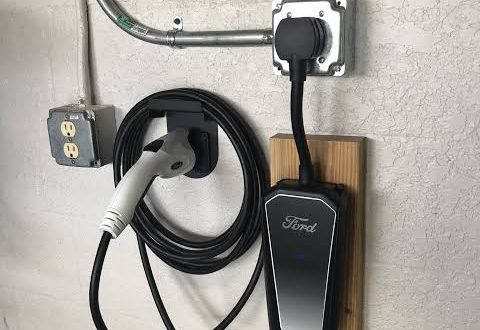
The fastest EV charger installation apartment rental Enid setup is often not a wall box at all. It is a portable Level 2 charger, a 240V outlet, and a landlord who accepts a neat cable route instead of permanent equipment. That approach keeps the project simple while still giving you the charging speed most renters actually need.
That matters because rental charging is about solving the problem without creating a property dispute. In 2026, the right answer is often the one that protects the lease, the parking lot, and the electrical system. Once those basics are clear, the rest of the decision becomes much easier.
I have seen renters lose weeks chasing a perfect install when a $300 to $600 charger and one approved outlet would have worked. I have also seen the opposite: a cheap setup that looked fine until the fire risk and landlord objections became real. The details matter, and the right sequence matters even more.
What changes everything for EV charger installation apartment rental Enid?
The deciding factor is not the charger model. It is whether you control the parking space, the outlet, and the billing. If you control all three, a portable Level 2 charger is usually the cleanest path. If you control none of them, you need landlord approval plus a shared parking charging plan or sub-metering.
That order matters because renters get stuck when they start shopping for equipment before they check the lease and parking rules. A 40-amp charger does not help if the outlet is not allowed, and a permit does not help if the lease forbids electrical changes. Starting with the property rules keeps the project grounded.
Quotable line: In most Enid rentals, the fastest workable EV charging path is a permitted 240V outlet plus a portable Level 2 charger, not a permanent wall unit.
If the apartment has a garage or an assigned stall near an interior wall, your odds improve. If parking is shared parking, the project becomes a property-management issue, not a DIY upgrade. For a broader look at home-side options, the local overview at EV charger installation Enid OK is the right starting point before you compare rental-specific paths.
Quick check: if you have an assigned space and a nearby outlet, you are probably in the portable charger lane. If you do not, you are in the approval-and-billing lane.
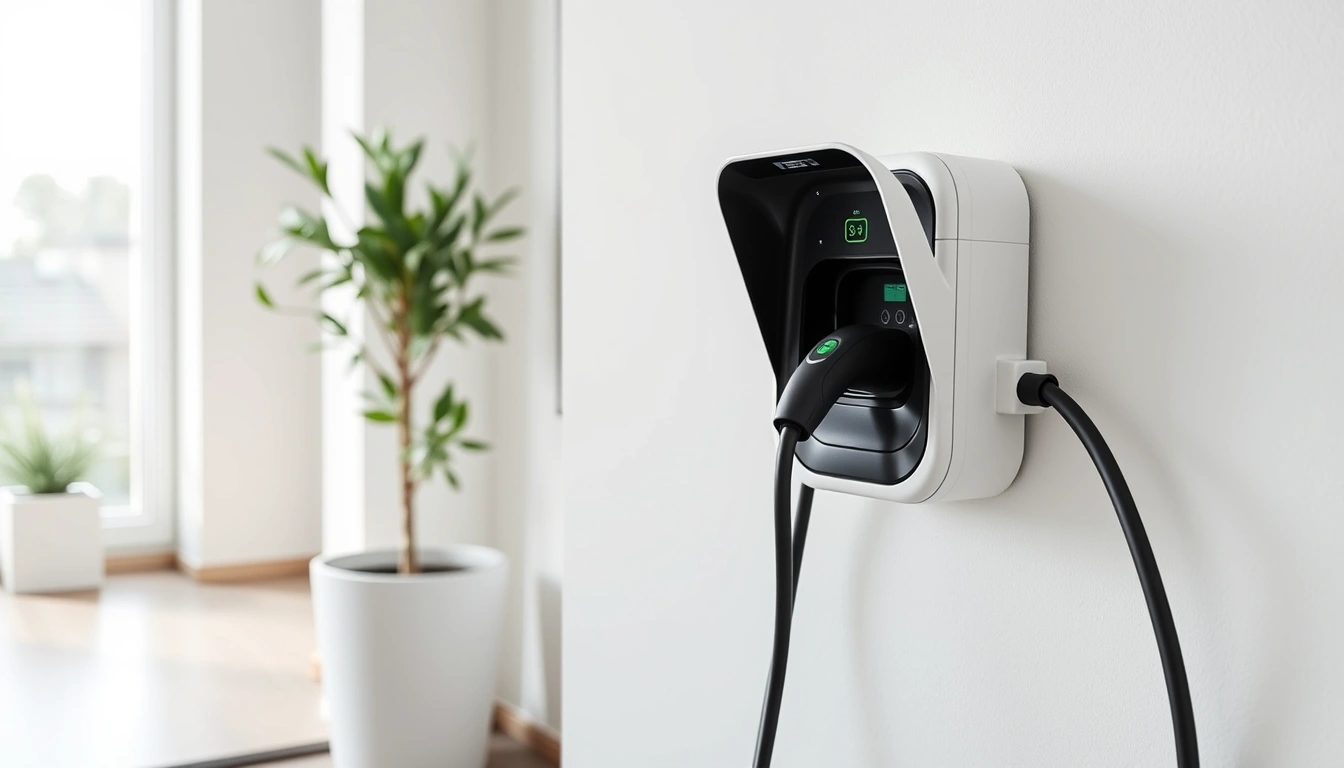
Can I install an EV charger at my Enid apartment or rental?
Yes, sometimes, but only with landlord approval and the right electrical path. If your lease allows electrical work and the landlord approves the location, a dedicated 240V outlet or a mounted charger may be possible. If the landlord says no to permanent changes, the answer usually becomes a portable Level 2 charger from an approved receptacle.
Use a simple filter. If the parking space is attached to your unit or under your control, ask for a dedicated circuit or outlet. If parking is shared parking, ask for a policy-based solution instead of a hardware-first solution. That keeps the conversation practical and avoids wasting time on an install that cannot be approved.
The landlord approval process should not be a vague email. It should name the equipment, the electrician, the load calculation, the location, and who restores the wall or pavement if you move out. The local page on level 2 EV charger installation cost Enid OK is useful when you need to estimate whether the property owner is reacting to a $500 outlet project or a much larger panel upgrade.
- Check the lease for electrical changes, parking rights, and restoration language.
- Identify the exact parking space, outlet location, and cable route.
- Ask a licensed electrician to confirm panel capacity and distance to the space.
- Send the landlord a one-page request with photos, load details, and a clean restoration plan.
- Offer a portable Level 2 charger option if the landlord does not want a permanent wall unit.
- Get written approval before buying equipment or scheduling work.
Quotable line: A rental EV charging approval gets easier when you present a named electrician, a fixed parking space, and a restore-to-original plan in writing.
Before you move forward, it also helps to understand why the property owner may be hesitant. In many cases, the concern is not the charger itself but the long-term effect on the building, the meter, and the parking area. Once you show that the plan is reversible and organized, approval becomes much more realistic.
Quick check: if you are asking, “Can I install an EV charger at my Enid apartment or rental?” the answer is yes only when your lease, parking, and landlord approval all line up.
What are my options for charging an EV if I rent in Enid?
Your main options are portable Level 2 charging, shared parking charging, sub-metering, or slow 120V charging as a backup. If you drive fewer miles each day, 120V may be enough. If you commute or run errands across Enid, a portable Level 2 charger is usually the first upgrade worth pursuing because it delivers a far better balance of speed and flexibility.
The cheapest choice is not always the cheapest monthly choice. If you end up paying for public charging because home charging is too slow, the low-cost option can become expensive. A slightly better setup is often worth it, especially when it reduces repeat trips to a public station.
| Situation | Best Path | Why Other Options Fail |
|---|---|---|
| Assigned parking, nearby outlet | Portable Level 2 charger | Permanent wall units are harder to approve and rarely add extra value for a renter. |
| Shared parking, no dedicated billing | Landlord approval process + sub-metering | Without billing separation, one tenant usually ends up subsidizing another. |
| No outlet near the space | Ask for a new circuit or use public charging | Long cord runs and extension-style workarounds are poor choices. |
| Light driving, overnight parking only | 120V charging as a backup | Works, but the charging speed is slow and recovery from a low battery takes days. |
If you want a local reality check on usage patterns, the page on EV charging statistics Oklahoma helps put charger demand and home-charging behavior in context. Renters often overbuild for a driving pattern that does not need it.
Once you know the parking geometry, the best option usually becomes obvious. If you can park in the same spot every night, one outlet and one charger may solve the problem. If parking moves around, billing and access matter more than hardware.
Quick check: if you can park in the same spot every night, one outlet and one charger may solve the problem. If parking moves around, billing and access matter more than hardware.
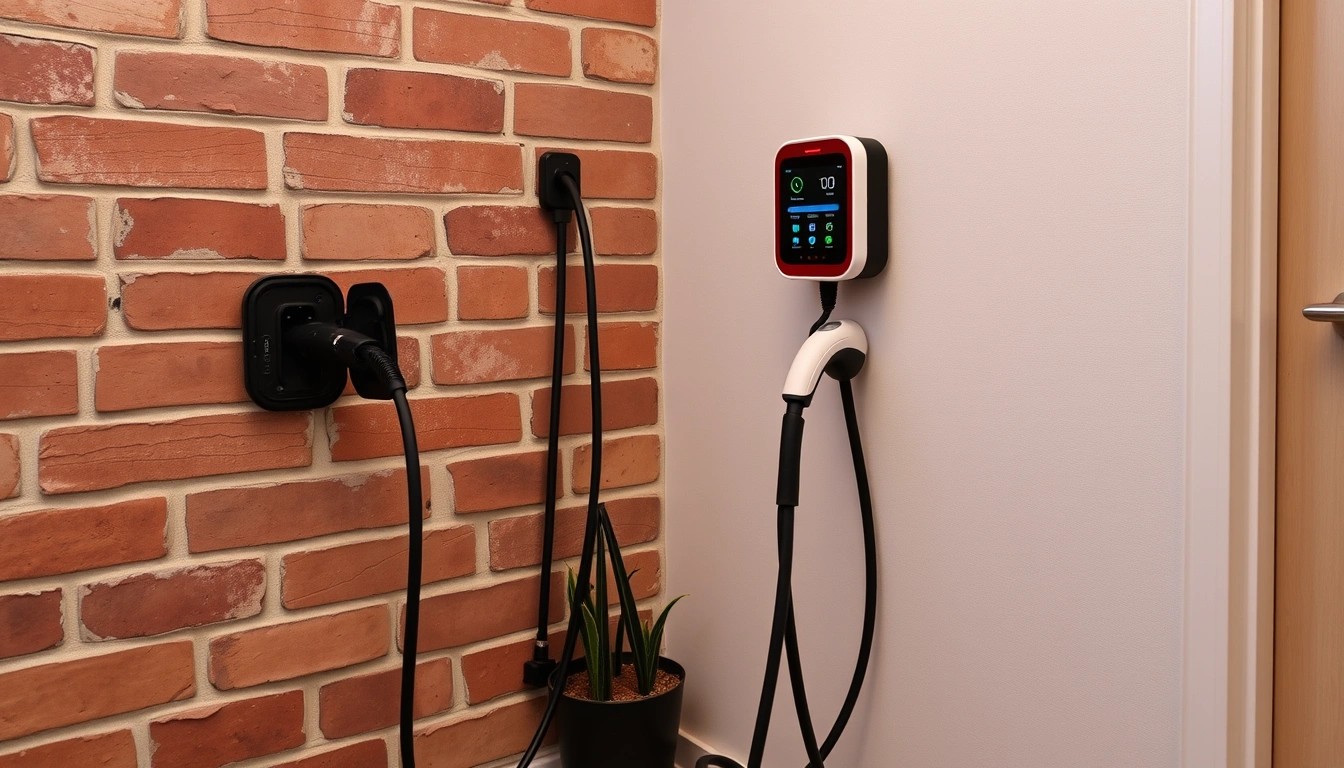
How to handle landlord approval without getting stuck
The landlord approval process works best when you make it easy to say yes. If you bring a vague request for “EV charger stuff,” expect delays. If you bring a clear proposal with exact equipment, a licensed electrician, and no damage to common areas, you have a much better shot.
Property owners usually care about three things: safety, reversibility, and fairness. Safety means the installation follows code and the circuit is sized correctly. Reversibility means the unit can be removed when you leave. Fairness means one tenant does not get free electricity from another tenant’s lease or meter.
In practice, a sub-metering setup often solves the fairness problem cleanly, especially in duplexes or small multifamily buildings. A typical sub-metering setup commonly costs about $500 to $2,000 per bay or unit, depending on distance and panel work, which is often cheaper than arguing about utility reimbursement every month.
- Write a short request with the vehicle model, charging need, and preferred parking space.
- Attach photos of the parking spot, outlet location, and breaker panel if allowed.
- Ask for approval of one of three paths: portable Level 2 charger, dedicated 240V outlet, or sub-metering setup.
- State who pays for the equipment, who pays for the electricity, and who restores the space at move-out.
- Have a licensed electrician confirm the circuit size, usually 20A, 30A, or 40A depending on the charger and vehicle use.
- Get the approval in writing before purchase or installation.
If the landlord is wary, lead with the least invasive option first. A portable charger and a simple outlet usually feel less risky than a wall-mounted unit. For local troubleshooting after approval, the guide at EV charger not working troubleshooting Enid is useful if the unit powers up but does not charge reliably.
Quotable line: In rental settings, landlord approval is easier to win for an outlet than for a permanent EV charger because the outlet is cheaper, simpler, and easier to remove.
Quick check: if your landlord wants numbers, photos, and a restore plan, you are on the right track. If the request is still conceptual, pause and tighten it up.
What shared parking charging actually looks like
Shared parking charging works when access, billing, and etiquette are written down. If not, one person plugs in first, another person gets mad, and the charger becomes a shared grievance instead of a shared asset.
The cleanest shared parking charging setup usually includes a marked space, a labeled circuit, and a sub-metering setup or reimbursement rule. That can be as simple as a dedicated receptacle and a monthly kWh repayment, or as formal as a separately metered circuit tied to one unit.
Shared parking becomes more workable when the charging session is predictable. If the car stays parked overnight and the charger can remain connected for 6 to 10 hours, scheduling is easier. If cars rotate through the space during the day, the setup needs time limits and clear handoff rules.
What to ask for first
- A marked stall with your name or unit number.
- A weather-safe outlet or charger location.
- A billing method: sub-metering, fixed monthly reimbursement, or utility pass-through.
- A rule for cable storage so nobody trips over the cord.
- A backup plan for guests and shared use days.
If the property already has several EVs, the best argument is not “I need this.” It is “Here is how we keep utility costs fair and the parking area safe.” That framing matters. It is the difference between a lifestyle request and a property-management solution.
As soon as the rules are written, the hardware becomes much easier to approve. That is why shared parking projects should always start with access and billing before they move to the electrical details.
Quick check: if multiple tenants want charging, write the rules first and install the hardware second.
When the normal advice breaks down
The normal advice breaks down when the parking is unusual, the electrical panel is old, or the lease forbids anything that looks permanent. In those cases, the best answer changes quickly, so the decision should shift from “best charger” to “best workable path.”
The cases below are the ones I would treat differently in 2026.
1. The panel is full or old
If the panel has no spare capacity, adding a charger may trigger a service upgrade instead of a simple outlet install. Ask an electrician to evaluate load first, because a bigger charger is pointless if the panel cannot support it.
2. The parking spot is not assigned
If the spot changes every night, permanent charger installation is usually the wrong battle. Use public charging, a portable charger only when the right outlet is available, or negotiate a dedicated space before talking hardware.
3. The landlord allows charging but not drilling
If drilling is off the table, the path may be an outlet on an existing surface or a completely reversible setup. That is where a portable Level 2 charger helps, because the equipment can move with you.
4. Electricity is bundled into rent
If your rent includes utilities, a charging plan needs guardrails. Otherwise, either the landlord absorbs the cost or the rent gets adjusted. Sub-metering is often the clean fix because it separates the EV load from the base lease.
5. The EV battery is nearly empty every day
If you regularly arrive home with very low battery, 120V charging will frustrate you. At that point, ask for a 240V solution or rely on public charging until a real install is approved.
6. The property has multiple tenants with EVs
If more than one person wants charging, the project should become a shared parking charging plan with rules for access and billing. First come, first served is not a billing system.
My own mistake on one rental project was pushing for the neatest electrical solution before confirming the parking rule. The electrician was ready, but the lease was not. It cost a week and one annoyed property manager, which is a small bill compared with replacing the whole plan.
Quick check: if the problem is panel capacity, parking control, or billing fairness, fix that first and stop looking at chargers.
Common questions about EV charger installation apartment rental Enid
What are EV charging options for renters in Enid?
Renters in Enid usually have four choices: 120V charging, a portable Level 2 charger, a landlord-approved dedicated outlet, or shared parking charging with sub-metering. If the vehicle drives a lot each day, 120V is too slow; if parking is assigned, a portable charger is often the best first move.
How to ask my landlord to install an EV charger step by step?
Ask in writing, name the exact parking space, and offer one of three paths: outlet, portable charger, or sub-metering. Include photos, a licensed electrician, and a restore-to-original promise. Landlords usually respond better when the request looks like a safety plan instead of a wish list.
Portable charger vs installed charger for renters — which is better?
For most renters, a portable Level 2 charger is better because it is cheaper, movable, and easier to get approved. A permanent installed charger makes sense only if the landlord allows it, the parking space is fixed, and you expect to stay long enough to justify the extra work.
Why is my 120V charging so slow and how do I speed it up?
A 120V outlet usually adds only 3 to 5 miles of range per hour, so it cannot refill a big battery quickly. The fastest upgrade is usually a 240V circuit with a portable Level 2 charger. If that is impossible, use public charging for the heavy lifting.
How much does a portable Level 2 charger cost in 2026?
A portable Level 2 charger commonly costs about $250 to $700 in 2026, before any outlet or electrical work. If you need a new 240V receptacle, add electrician labor, permit costs if required, and possibly a sub-metering setup if billing needs to be separated.
Is sub-metering worth it for a small rental property?
Yes, if more than one tenant may charge, or if electricity is bundled into rent. A sub-metering setup typically costs about $500 to $2,000 per unit or bay, but it solves the billing problem cleanly and prevents ongoing reimbursement disputes.
- For renters, the best EV charging plan is the one that fits the lease, the parking space, and the billing setup.
- A portable Level 2 charger is often the best first move because it is movable, cheaper, and easier to approve.
- Shared parking charging needs either sub-metering or a written reimbursement rule to stay fair.
- 120V charging works only as a backup; it is slow at about 3 to 5 miles of range per hour.
The Bottom Line
For EV charger installation apartment rental Enid, do not start by shopping for hardware. Start by checking parking control, landlord approval, and whether billing can be separated. If those three pieces line up, a portable Level 2 charger is usually the smartest first solution. If they do not, push for sub-metering or a shared parking charging agreement before anyone talks about a permanent install.
Pick one thing from this article and try it this week. The best first step is usually a written landlord request with photos and one clear charging option. For the broader local cost-and-permit picture, the pillar article on EV Charger Installation in Enid, OK: Level 2 Cost, Permits & Which Charger Fits Your Home is the next place to go.
See also: EV charger installation Enid OK
See also: level 2 EV charger installation cost Enid OK
See also: EV charger not working troubleshooting Enid
Related: EV charger permit Enid OK
Related: panel load calculation
Related: Tesla Wall Connector installation Enid
See also: EV charger installation Enid OK
See also: level 2 EV charger installation cost Enid OK
See also: EV charger installation time process Enid