“`html
NEMA 14-50 outlet installation Enid: cost, code, and the traps
⏱️ 8 min read · Last updated: 2026
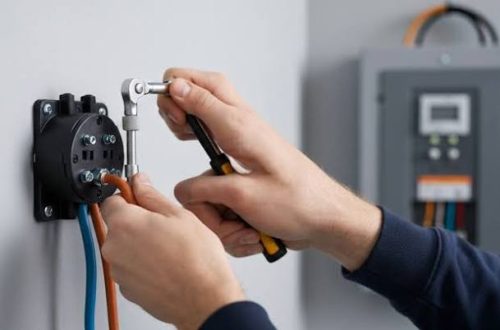
NEMA 14-50 outlet installation Enid is a dedicated 50-amp, 240V project, and the real challenge is matching the breaker, wire, and GFCI protection to local code. If the panel has space and the run is short, the job is straightforward; if not, the price and inspection risk rise quickly. Understanding this process is the first step toward a successful install.
- Typical install cost: about $450–$1,500 for a standard 240V outlet install, and more if the panel needs upgrades or a long wire run.
- Circuit size: a NEMA 14-50 outlet is normally installed on a 50-amp circuit with a 2-pole 50-amp breaker.
- Wire size: copper 6 AWG is commonly used for 50 amps; aluminum is usually upsized and should be sized by the electrician for the run length and code.
- GFCI protection: many modern installations need GFCI protection, but the exact requirement depends on where the outlet is installed and the code adopted in Enid, OK.
- Typical timing: a clean NEMA 14-50 outlet install often takes 2–5 hours; panel repairs, trenching, or drywall patching can stretch it to a full day.
Last month I watched a straightforward garage install turn into a code puzzle because the homeowner bought the right receptacle and the wrong breaker. That is the part people miss with NEMA 14-50 outlet installation Enid: the outlet itself is easy, but the inspection details decide whether the job is done or just wired. This reality shapes every cost estimate and timeline.
The price looked simple too. The quote started near $650 for a clean run from the panel, then climbed once the electrician confirmed the panel was tight on space and the run needed a longer wire pull. That is normal in Enid, OK, and it is why a cheap 240V outlet cost estimate can be misleading if it ignores GFCI protection, panel capacity, and wire gauge.
A correct NEMA 14-50 outlet install is usually less about the receptacle and more about whether the panel, breaker, and wire all match the load.
What Actually Changes the Cost and Code for NEMA 14-50 Outlet Installation Enid
The answer changes most when panel capacity, wire distance, mounting location, and GFCI requirements do not line up. If your garage is close to the panel and the service has space, the job is simple; if the panel is crowded or the outlet is far away, the project becomes more expensive and more inspection-sensitive. These four factors determine the real path for any NEMA 14-50 outlet installation Enid.
They affect the breaker type, labor time, and whether a simple receptacle is better than a hardwired charger. A 50-amp circuit install can be a same-day job in a garage, or a half-day project that turns into a panel upgrade if the service is full.
What I check first
- Panel amperage and available breaker spaces.
- Distance from panel to garage or exterior wall.
- Whether the receptacle will sit indoors or outdoors.
- Whether the EV charger’s plug cord reaches without strain.
NEC rules matter because Enid inspections will not care that the outlet was “close enough.” The National Electrical Code and local adoption determine the breaker, wire size, and GFCI protection requirement. A quick check: if your panel is open, your garage is nearby, and you want a plug-in EV charger, this is probably a standard install; if any one of those is false, your path changes.

How Much Does NEMA 14-50 Outlet Installation Enid Cost, and What Code Issues Matter?
Most NEMA 14-50 outlet installation Enid jobs fall around $450 to $1,500 when the panel is healthy and the run is short. If you need a subpanel, drywall repair, trenching, or a service upgrade, the bill can move well beyond that range. The cost rises for three boring reasons that matter more than the receptacle brand: wire length, panel capacity, and inspection compliance. A 50-amp circuit install that uses 6 AWG copper on a short run is far simpler than one that crosses a finished house, goes outdoors, or needs GFCI breaker protection to satisfy the current code path.
| Situation | Best Path | Why Other Options Fail |
|---|---|---|
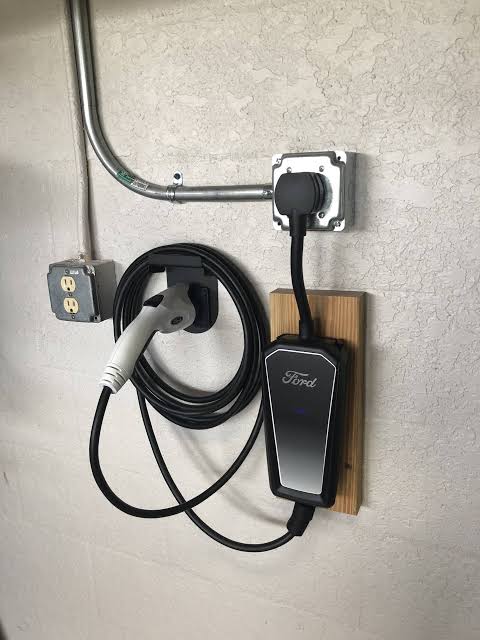
| Garage wall next to the panel | Standard NEMA 14-50 outlet on a dedicated 50-amp circuit | Hardwired charger adds cost if you only need plug-in flexibility |
| Long run to detached garage | Electrician quotes wire size, trenching, and voltage drop first | Cheap estimates ignore distance and often fail inspection or performance |
| Older panel with few breaker spaces | Panel load calculation before any outlet work | Installing first and “seeing if it fits” wastes money |
| Outdoor receptacle | Weather-rated enclosure and code-correct GFCI protection | Standard indoor parts will not hold up to moisture or inspection |
A typical NEMA 14-50 install is cheaper than a panel upgrade, but only when the existing service can safely carry a dedicated 50-amp circuit.
If you want a broader service estimate, the local page for level 2 EV charger installation cost Enid OK helps you compare outlet pricing against hardwired equipment. A 240V outlet cost quote often excludes permit work, drywall patching, and GFCI breaker upgrades, which are exactly the items that push a “cheap” job into the real price range.
Quick check: if your quote is under $500, confirm whether it includes breaker, permit, wire, and finish work; if it does not, it is not the full price.
Which Path Fits Your House: Outlet, Hardwired Charger, or Something Else?
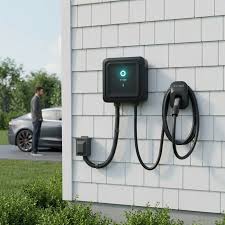
Having covered the cost factors, the next decision is the hardware itself. A NEMA 14-50 outlet is usually the better fit if you want flexibility. A hardwired charger is usually better if you want a permanent setup, maximum charging reliability, or a cleaner long-term installation. The decision is practical, not philosophical. A plug-in setup can be easier to replace if the charger fails or you move. A hardwired unit can reduce clutter and, in some cases, avoid the receptacle-style installation path that triggers extra code details.
Use this decision path
- Check whether your EV came with a plug-in charger that uses a NEMA 14-50 outlet.
- Get a measurement of the panel-to-location distance.
- Ask whether the outlet will be indoors, outdoors, or in a detached structure.
- Confirm whether your panel has room for a dedicated 50-amp circuit.
- Compare the install cost against a hardwired EV charger quote.
If you are in a rental or duplex, the answer often flips again. A removable plug-in solution can make more sense than a hardwired charger, especially when you may move later. The rental-specific angle is covered well in EV charger installation apartment rental Enid, because landlord approval changes the workflow more than the hardware does.
For homeowners comparing hardware, the local Tesla option also matters. If you are leaning that way, see Tesla Wall Connector installation Enid for the hardwired side of the decision.
Quick check: if you may move, rent, or change EVs in the next few years, plug-in flexibility matters more; if you want a permanent setup, hardwired usually fits better.

Does a NEMA 14-50 Outlet Need GFCI Protection in Enid?
Transitioning from hardware choices, we must address a critical code requirement: Ground Fault Circuit Interrupter (GFCI) protection. Often, yes, especially when the receptacle is in a garage, outdoors, or another location where current code requires it. The exact answer in Enid, OK depends on where the outlet is installed and which version of the code your electrician and inspector are using.
This is the detail that trips people up. Many homeowners assume a 50-amp circuit means “standard outlet, standard breaker,” but modern code often pushes GFCI protection at the breaker for receptacles in places that can shock you faster. That is why a NEMA 14-50 outlet can cost more than the same wire run for another 240V load.
The easiest way to avoid a red-tag is to have the electrician specify the breaker type before the wire is pulled. That matters because some EV chargers do not behave well with every breaker setup, and the install plan should match the charger instructions and the adopted code. If the outlet is in a garage, the GFCI question is not optional conversation; it is part of the install plan.
I have seen more delay from a wrong breaker than from a wrong outlet. The receptacle is usually the easy part; the breaker choice is what keeps the install from bouncing back from inspection.
Quick check: if the outlet is anywhere near moisture, concrete floors, or a garage door, ask about GFCI protection before the work starts.
The Cleanest Way to Get the Job Done Without Inspection Drama
The cleanest NEMA 14-50 outlet installation Enid follows a simple order: verify capacity, choose the location, confirm the breaker and wire size, then install and test. If you skip the first two steps, you often pay twice. Here is the workflow I trust for a standard home install. It keeps the job moving and reduces the chance that the electrician has to rework the circuit after the rough-in.
- Identify the panel’s main rating and any free breaker spaces.
- Pick the outlet location based on charger cord reach and parking position.
- Ask for a load calculation if the panel is older or already crowded.
- Confirm the electrician will use the correct 2-pole 50-amp breaker and wire gauge.
- Decide whether GFCI protection will be built into the breaker plan.
- Have the electrician test voltage, polarity, and charging load after installation.
- Keep the permit and inspection paperwork with the charger manual.
6 AWG copper is the common wire size for a 50-amp circuit, but the final wire choice should match the run length, insulation type, and local code requirements. For longer runs, material and voltage drop can change the decision, and that is where experience matters more than price-shopping.
If you want the broader install picture, the local EV overview at charger installation enid is useful before you settle on outlet versus hardwired gear. The best quote is the one that names the breaker, wire, and finish work in writing.
Quick check: if you can tell me the panel rating, outlet location, and charger model, you are ready for a real quote.
When the Normal Advice Breaks Down
Following the cleanest path is ideal, but normal advice fails when the house is older, the outlet is outside, the garage is detached, or the panel has no room. Those are the situations where NEMA 14-50 outlet installation Enid stops being a quick receptacle job and becomes a planning job.
- Older 100-amp panel: The load calculation comes first. If the home already runs close to capacity, the electrician may recommend a service upgrade or a different charging strategy.
- Detached garage: The run may need trenching, conduit, and voltage drop planning. A short-sounding job can become the most expensive version fast.
- Outdoor outlet: Weather-resistant parts and GFCI protection become much more important. Indoor-grade hardware is the wrong call.
- Renting a home: Permission matters as much as wiring. A removable setup may be smarter than a permanent receptacle, especially if you move often.
- Already have a Tesla Wall Connector: A dedicated hardwired unit may be cleaner and sometimes simpler than adding a receptacle just to use an adapter.
One honest mistake I have seen: people buy the outlet first and assume the electrician can “make it work” around the hardware. That often leads to returns, changed parts, or a breaker swap that should have been planned from day one. Another common miss is comparing only the outlet price and not the whole system. The outlet is cheap; the circuit, protection, and finish work are the real story. The job gets expensive when the wire path gets difficult, not when the receptacle gets fancy.
Quick check: if your home is older than the EV charger trend itself, assume the first estimate is a starting point, not the final answer.
Common Questions About NEMA 14-50 Outlet Installation Enid
What is a NEMA 14-50 outlet used for?
A NEMA 14-50 outlet is used for high-power 240V appliances and many EV chargers. In homes, it is most common for Level 2 charging because it can support a dedicated 50-amp circuit when installed correctly with the right breaker and wire size.
How to install a NEMA 14-50 outlet for EV charging step by step?
First, confirm panel capacity. Second, choose the outlet location based on charger cord reach. Third, run the correct wire size on a dedicated 50-amp circuit. Fourth, install the proper breaker and receptacle. Fifth, test voltage and verify the install meets local code, including any GFCI protection requirement.
NEMA 14-50 outlet vs hardwired charger — which is better?
A NEMA 14-50 outlet is better if you want flexibility or may change chargers later. A hardwired charger is better if you want a permanent setup with fewer plug-related issues. For many homes in Enid, the decision comes down to panel capacity, location, and future plans.
Why is my NEMA 14-50 outlet tripping the breaker?
A breaker usually trips because the charger is drawing more than the circuit can handle, the breaker is the wrong type, or the outlet wiring has a fault. On a 50-amp circuit, a weak connection, undersized wire, or incorrect GFCI breaker can also cause repeated trips.
How much does a NEMA 14-50 outlet install cost in Enid?
A typical NEMA 14-50 outlet install in Enid often runs about $450 to $1,500, depending on panel space, wire length, and whether GFCI protection or repairs are needed. A longer run, detached garage, or panel upgrade can push the price higher.
Does a NEMA 14-50 outlet need GFCI protection in Enid?
Often yes, especially for garage, basement, and outdoor locations where current code requires it. The exact answer depends on the adopted code and the outlet location, so the electrician should confirm GFCI protection before the install begins.
- NEMA 14-50 outlet installation Enid is usually a 50-amp, 240V job, not a simple outlet swap.
- The real cost is driven by wire length, panel space, and GFCI protection requirement, not just the receptacle.
- 6 AWG copper is the common starting point for a 50-amp circuit, but the final choice should match the run and code.
- If your panel is crowded or the outlet is outdoors, the install plan changes fast.
The Bottom Line
NEMA 14-50 outlet installation Enid makes sense when you want reliable Level 2 charging without locking yourself into a hardwired setup. The smart move is to verify panel capacity, GFCI protection, and wire size before you buy parts or accept a quote. If you do one thing this week, measure the distance from your panel to the charger spot and ask for a written estimate that names the breaker, wire gauge, and permit work. Then compare it with the broader EV Charger Installation in Enid, OK: Level 2 Cost, Permits & Which Charger Fits Your Home decision.
See also: Tesla Wall Connector installation Enid
See also: EV charger installation Enid OK
See also: EV charger installation apartment rental Enid
“`
See also: Tesla Wall Connector installation Enid
See also: emergency electrician Enid OK
See also: EV charger installation Enid OK